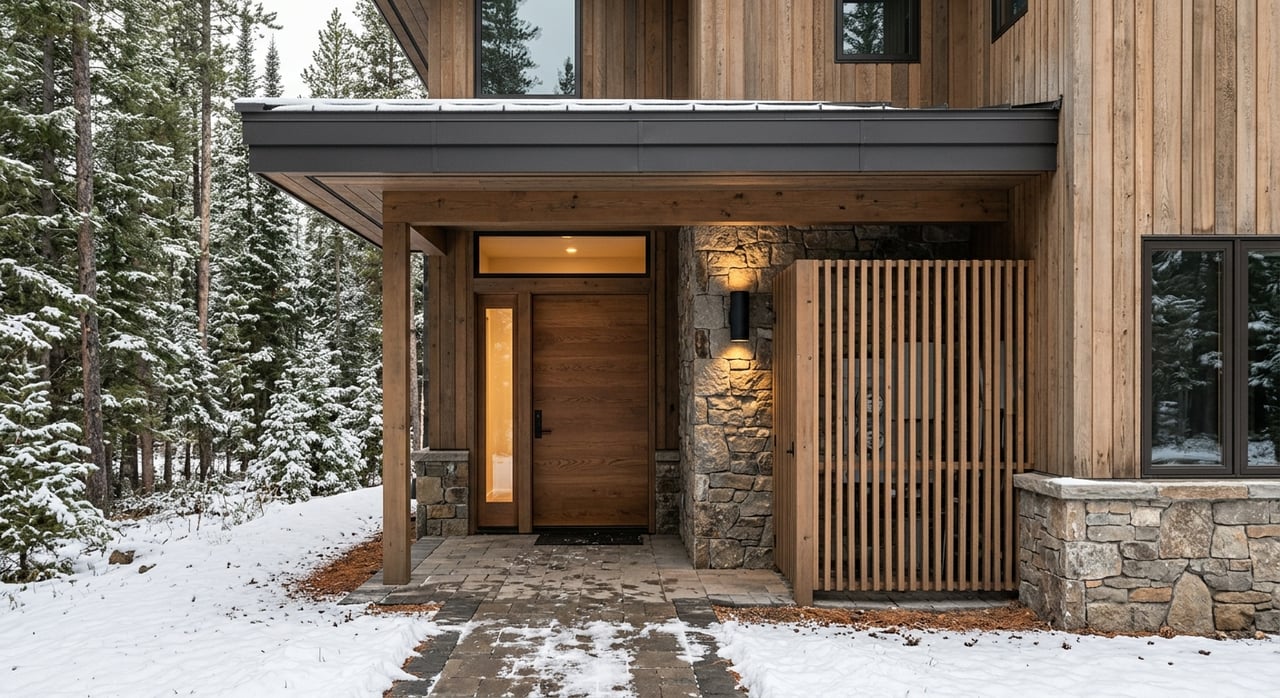
Wondering what it really takes to own and manage a second home in Tahoma? The answer is more detailed than many buyers expect. In this part of the Tahoe Basin, setup decisions are highly address-specific, and seasonal planning can make the difference between a smooth ownership experience and a stressful one. This guide walks you through the essentials so you can prepare your Tahoma property with more confidence. Let’s dive in.
Why Tahoma setup is address-specific
Tahoma is not a one-size-fits-all mountain market. Utility service, district boundaries, and maintenance needs can vary by parcel, which is why your first step should always be verifying services by exact property address.
Tahoe City Public Utility District serves a broad area that includes Tahoma, Homewood, Timberland, Tahoe Pines, Swiss Village, and Glenridge. TCPUD also notes that several different water providers exist within its service area, so you should confirm water and sewer service before you make assumptions about setup, billing, or winter care.
North Tahoe Fire Protection District includes a staffed station in Tahoma. That matters because emergency access, response planning, and seasonal readiness are practical parts of owning a mountain home, especially when the property will sit empty for stretches of time.
Start with core utility setup
Getting utilities organized early helps you avoid small problems that can turn into expensive ones later. In Tahoma, this means treating each utility as part of your operating plan, not just a move-in checklist.
Electric service in Tahoma
Placer County lists Liberty Utilities as the electricity provider for North Lake Tahoe. Liberty says new service, transfers, and stop requests can be handled by phone or through its account system.
For a second home, electric service affects more than lights and appliances. It also supports remote monitoring tools, heating systems, and the basic functionality you rely on during short visits or weather events.
Water and sewer service details
TCPUD provides water and sewer service within its district. Its smart cellular meters transmit data four times per day and can issue leak alerts within 24 hours, which can be especially useful when you are away from the property.
TCPUD also explains that much of utility cost is fixed. That means base charges remain important even when the home is vacant, so you should build those recurring costs into your ownership budget from the start.
Trash, recycling, and gas service
Placer County lists Tahoe Truckee Sierra Disposal as the garbage provider for the Tahoe area and Southwest Gas as the natural gas provider in the Tahoe Basin. The county describes the Tahoe garbage program as a mixed-waste system.
TTSD says residential garbage service in Placer County Franchise Area 3 is mandatory unless the property is formally exempted for a full quarter. It also notes that blue-bag recycling is placed beside the can, not inside it, which is a simple but important detail if you want service to run smoothly.
Hazardous waste and batteries
Second homes often collect old batteries, paint, and unused electronics between visits. TTSD says hazardous waste, e-waste, and universal waste are not allowed in garbage.
Household batteries can be bagged for curbside collection or taken to approved drop-off locations. If you are setting up a house for part-time use, it helps to create a simple storage spot for these items so they do not pile up in a garage or utility room.
Plan for seasonal ownership
Tahoma ownership runs on a seasonal rhythm. If you treat maintenance as a once-a-year project, you are more likely to miss the small tasks that protect the home over time.
Before you leave for winter
TCPUD recommends several winterization steps before an extended absence. These include using a stop-and-waste drain valve, shutting off water and draining internal piping, insulating exposed pipes, and considering a temperature monitor.
TCPUD also warns that heating systems should not be your only freeze-prevention plan because they can fail during a power outage. In a mountain setting, that is a key point. Your shutdown strategy should assume that severe weather and outages are possible.
Snow access matters every week
Placer County provides snow removal on county roads outside incorporated cities, but not on state highways. The county also offers a Find My Plow map, which can help you track road service during winter conditions.
For second-home owners, road plowing is only part of the picture. You also need a plan for your driveway, walkways, entry points, and any access routes required for vendors or emergency response.
Keep trash access clear
Snow can interrupt basic services if you do not plan ahead. TTSD says it needs at least a 3-foot clear path to a bear box, and it will not service enclosures blocked by snow or cut off by berms.
That makes snow removal part of your trash plan, not a separate issue. If no one is clearing access after storms, missed pickups can quickly become an avoidable headache.
Build a spring and summer maintenance routine
Once winter passes, the next priority is exterior care. In Tahoma’s wooded setting, spring and summer are the time to reset the property and reduce seasonal risk.
Focus on defensible space
Placer County organizes defensible space into Zone 0, Zone 1, and Zone 2, with the strongest fuel reduction nearest the home. The county specifically recommends moving garbage and recycling containers out of Zone 0 and keeping firewood in Zone 2 with 10 feet of clearance around exposed wood piles.
For many owners, that supports a recurring checklist instead of occasional cleanup. Think roof and gutter cleaning, pine needle removal, deck clearing, and landscape thinning on a regular schedule.
Fire hardening supports long-term value
Placer County says updated Fire Hazard Severity Zone maps apply to sellers, new construction, and renovations in mapped areas. These mapped areas can carry wildland-urban interface building code implications.
In practical terms, defensible-space work and fire hardening are not just seasonal chores. They are also part of preserving property condition, supporting future resale readiness, and reducing deferred maintenance.
Don’t overlook bears and storage
Wildlife planning is part of everyday ownership in the Tahoe area. Bear-resistant storage is not just a convenience feature. It can shape how easily you manage the home throughout the year.
Placer County says bear-resistant storage is required for new residential construction or additions over 500 square feet on Tahoe-area properties above 5,000 feet. TTSD also offers an interest-free bear-box loan program for eligible eastern Placer County homeowners.
For a second home, a well-placed bear box can simplify routine trash handling and help keep the property cleaner when you are away. It is a small operational detail that often has an outsized impact on daily use.
Decide who manages the home when you’re away
This is one of the biggest decisions in second-home ownership. The right answer depends on how often you visit, how comfortable you are handling seasonal shutdowns, and whether someone local can respond when conditions change quickly.
When self-management can work
Self-management tends to work best when you can return in person for winter shut-down, mid-winter checks, and spring start-up. That is because mountain conditions can change fast, and utility or access issues may need physical attention.
Placer County notes that power outages can last days and may disrupt communication, water, transportation, stores, and banks. TCPUD’s winterization guidance reinforces the importance of timely shutoff and drainage, especially if the home may sit empty during severe weather.
Why many owners choose a local contact
Remote tools help, but they are not the same as boots on the ground. TCPUD’s smart meter alerts can support leak monitoring, but they do not replace a person who can inspect the house after a storm, outage, or access issue.
For many intermittent-use properties, it makes sense to define a local point person before the first winter. That could mean someone who checks snow conditions, confirms trash access, coordinates vendor visits, and responds if the property needs immediate attention.
If short-term rental use is possible
If you may use the property as a short-term rental, management planning becomes even more important. Placer County’s short-term rental program requires a local contact who is reachable 24/7 and lives within 35 driving miles of the property. A professional property management company may fill that role.
The same program requires current fire-life-safety and exterior defensible-space inspections for new and renewing permits. Even if short-term rental use is only a future possibility, it is smart to understand these operational requirements early.
Your first-season Tahoma checklist
If you want a simple way to think about setup, focus on the systems and responsibilities that matter most before your first extended absence.
- Verify utility providers by exact property address
- Set up electric, water, sewer, trash, recycling, and gas accounts as applicable
- Learn your base utility charges, even for vacant periods
- Create a winterization plan for plumbing and exposed pipes
- Set up leak and temperature monitoring where appropriate
- Arrange driveway, walkway, and bear-box snow access
- Build a spring and summer defensible-space routine
- Plan for safe battery, paint, and e-waste handling
- Decide who handles storm checks, vendor oversight, and emergency visits
- Confirm short-term rental local-contact and inspection requirements if relevant
A second home in Tahoma can be a rewarding retreat, but it works best when ownership is treated like a year-round operating plan. The details matter here, from address-level utility verification to winter shut-down procedures and who can physically check the home when you are away. If you are evaluating a Tahoma purchase or want guidance on how a specific property may fit your lifestyle, Gregory Ochoa offers private, high-touch support grounded in local Tahoe insight.
FAQs
What makes second-home setup in Tahoma different from other Tahoe areas?
- Tahoma should be approached on a parcel-by-parcel basis because utility providers, district boundaries, and service details can vary by exact address.
What utilities should you confirm before buying a second home in Tahoma?
- You should verify electric, water, sewer, trash, recycling, and natural gas service by property address before planning your first season of ownership.
What should you do before leaving a Tahoma home vacant in winter?
- TCPUD recommends shutting off water, draining internal piping, insulating exposed pipes, using a stop-and-waste drain valve, and considering a temperature monitor.
What snow removal issue affects trash pickup at a Tahoma second home?
- TTSD requires at least a 3-foot clear path to a bear box and will not service enclosures blocked by snow or berms.
Why does defensible space matter for a Tahoma second home?
- Placer County’s defensible-space guidance supports regular exterior maintenance near the structure, which helps with seasonal upkeep and long-term property condition.
When do Tahoma owners need a local contact for property management?
- If a property is used as a short-term rental in Placer County, a local contact reachable 24/7 within 35 driving miles is required, and a professional management company may serve in that role.