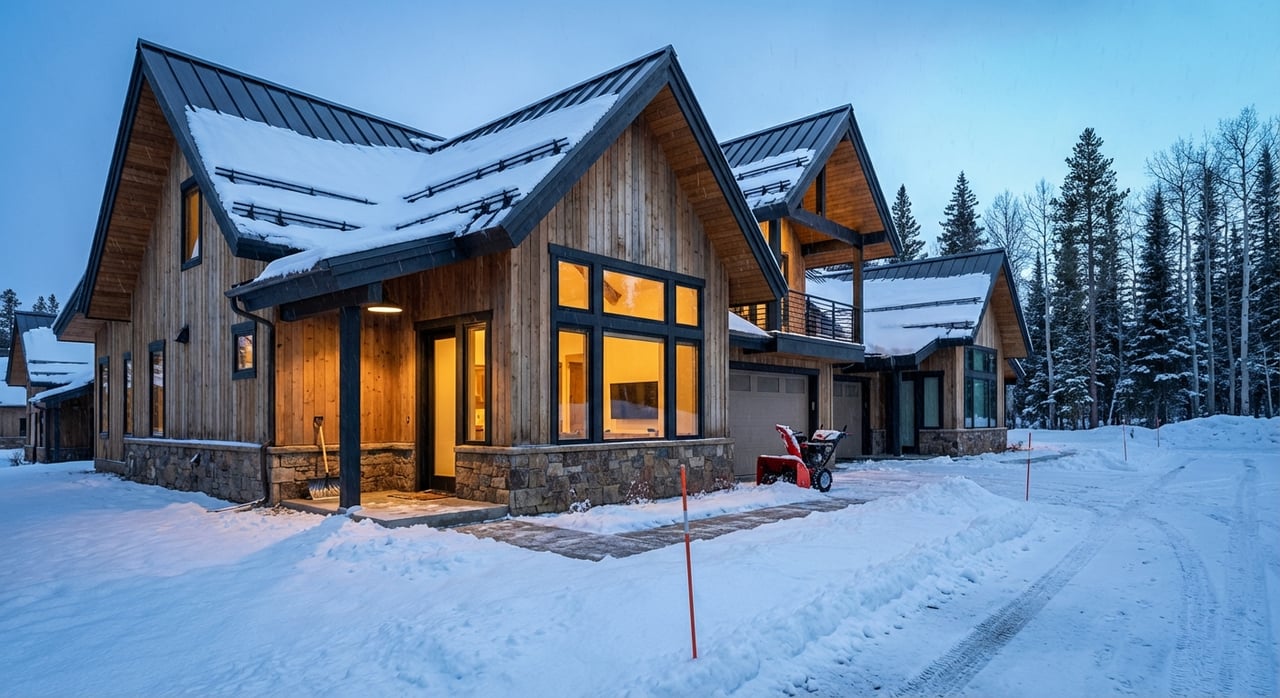
Picture your mornings starting with quiet first tracks and your evenings settling in by the fire while snow falls outside. Buying in Kirkwood can deliver that feeling, but high-alpine living runs on different rules than a typical second home. In this guide, you’ll learn how to plan for winter access, utilities, rentals, snow loads, insurance, and resale so your ski home works the way you expect. Let’s dive in.
Why Kirkwood stands out
Kirkwood is known for deep, reliable snow and serious terrain. The resort sits around 7,800 feet at the base with a summit near 9,800 feet, about 2,000 feet of vertical, around 2,300 skiable acres, and roughly 350 inches of average annual snowfall. You feel the powder days and the quieter vibe compared to other Tahoe resorts. You can review the resort’s quick facts and seasonal tips on the official resource page from Vail Resorts for context and planning insights (Kirkwood winter tip sheet).
The 95646 area is a small, highly seasonal community. Many homes are vacation properties, and the year-round population is limited. That seasonality drives everything from neighborhood activity to rental demand and service schedules. For a quick snapshot of the area’s seasonal housing profile, see this overview of the 95646 ZIP code (ZIP code reference).
Access and winter logistics
Reaching Kirkwood usually means taking State Route 88 over Carson Pass. In winter, closures and chain controls are normal during storms. GPS can suggest roads that are closed or unsafe. Before every trip, review the resort’s getting-here guidance that directs you to official road status resources and seasonal parking details (Kirkwood getting here and parking).
Parking can tighten on busy weekends and peak holidays. The resort sometimes uses parking reservations for certain lots, which can affect guest flow and short-term rentals. If you plan to host or operate an STR, confirm the parking and permit rules that apply to your building or neighborhood.
For snow-day planning and inspections, you can monitor storm cycles and seasonal context with current snowpack and storm tracking resources like this localized report (Kirkwood snow report).
Winter travel checklist
- Confirm SR 88 conditions and chain controls before departure.
- Ask your HOA or vendor if neighborhood roads are plowed around the clock during storms.
- Verify on-mountain shuttle availability and the best guest drop-off points for your property.
- If you plan to arrive late at night, confirm where you will park and how you will access keys or a lockbox.
Utilities and services you should verify
Most properties in the valley fall within the Kirkwood Meadows Public Utility District. KMPUD manages water, wastewater, electricity and propane distribution, along with certain community services and a local fire assessment. During escrow, confirm whether your parcel is inside the district boundaries, how it is connected, and what the current base rates and usage fees are. You can review rate schedules and service details here (KMPUD rates and customer service).
Trash and solid waste services can shift by season and holiday weeks. Many owners also arrange private driveway plowing to keep things moving during big storms. Internet options may be limited in a mountain valley, and cell coverage can vary by provider and micro-location. If you rely on video calls, test service on site and explore satellite or wired alternatives that fit your work style.
Mail and package delivery
Kirkwood often relies on PO Boxes for USPS. Door delivery can be limited or weather sensitive, while UPS, FedEx, and Amazon will attempt deliveries when conditions allow. If you plan to host guests or use a property manager, set up clear instructions for PO Boxes and package logistics early on. Local homeowner resources outline how new owners typically handle these basics (New homeowner info).
Snow readiness and ongoing maintenance
At this elevation, snow management is core to protecting your property. Roof design and structural capacity matter. Ask for permit history, engineering details where available, and any evidence of recent roof work. If you have questions about snow load capacity or see signs of stress, involve a qualified structural engineer familiar with the ASCE 7 provisions that guide snow load design (ASCE 7 snow load reference).
Heating and freeze protection should be part of your plan. Learn what fuels the home uses, the age and service history of boilers or furnaces, and whether pipes are protected inside conditioned areas. Many second-home owners use remote thermostats and caretaker checks during vacant weeks.
Driveways and snow storage are another priority. In some buildings the HOA clears common areas, while in others you hire a private plow service. Ask for recent invoices or HOA contracts so you can budget for a typical winter.
Property types and HOA realities
You will find three common setups:
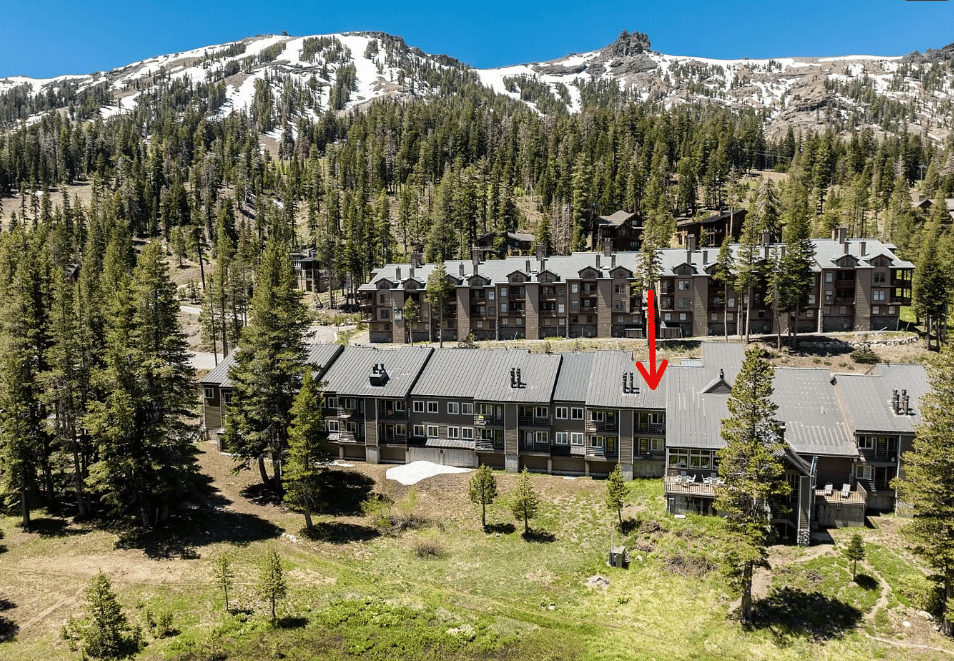
- Base-area condos with amenities. These typically offer convenient access to lifts, owner clubs or pools, and comprehensive HOA services. Dues can be higher to cover amenities and robust winter operations.
- On-mountain enclaves near the lifts. These homes and townhomes can offer ski-in proximity with premium pricing and specific access or safety buffers. Study HOA rules closely.
- Single-family homes in areas like West Meadows, East Meadows, and Timber Ridge. Expect more driveway responsibility, variable utility connections, and a different snow management profile compared to condos.
Across property types, HOA and building rules can be detailed. Review CC&Rs, meeting minutes, reserve studies, rental restrictions, parking policies, and any transfer or club fees. Ask specifically about snow storage, noise policies, and whether special assessments are planned.
Short-term rentals and taxes
Alpine County requires a short-term rental registration and adherence to county standards. Licenses run July through June, and a permit held by a seller may not transfer to you automatically. If you plan to rent, confirm the county process and the property’s current status before you close. The county’s STR portal explains licensing, standards, exemptions, and enforcement in detail (Alpine County STR program).
You are also responsible for collecting and remitting Transient Occupancy Tax on stays that meet the threshold. Build a process for tax reporting from the start, and factor any HOA or building rules that limit rentals into your pro forma.
Revenue in Kirkwood is heavily concentrated in winter. Holiday weeks and peak weekends typically drive the highest rates and occupancy. Summer can generate bookings at lower price points. Create a month-by-month occupancy model so your cash flow plan matches real demand.
Insurance and hazard planning
Standard homeowners insurance in California does not include earthquake coverage. If you want that protection, you can explore options through the California Earthquake Authority and participating carriers. Deductibles are usually percentage based and can be higher for second homes (California Earthquake Authority). For additional background on coverage structure and what to expect as a consumer, the state’s insurance department provides helpful guidance (CA Department of Insurance earthquake guide).
Wildfire risk and insurer availability can affect both pricing and coverage terms in Alpine County. Defensible space and local mitigation work may help with insurability. The county maintains resources and planning references that are worth reviewing as you evaluate addresses and construction types (Alpine County resources).
Plan to ask about vacancy clauses, wildfire endorsements or exclusions, and any special underwriting for high-elevation properties. Request the seller’s premium history to set expectations.
Market and resale context
Kirkwood is a thin market with seasonal swings. Sales counts are low, inventory is limited, and days on market can stretch based on timing. That means comparable sales may be sparse, especially for unique homes near lifts. If you are financing, work with a lender experienced in resort properties and be ready to support an appraisal with the best available data.
Pricing strategy is seasonal too. Listing during peak winter demand may improve exposure for ski-focused properties. For buyers, patience and pre-approval help you act quickly when the right home appears.
Buyer due-diligence checklists
Use these checklists to keep your escrow organized and protect your downside.
Property-level
- KMPUD status. Confirm whether the home is inside KMPUD and obtain recent bills for water, wastewater, electricity, and propane (KMPUD rates).
- Septic or sewer. If septic, request recent inspections, pump records, and any county environmental health documentation.
- Roof and snow load. Ask for permits and any engineering reports related to roof design or replacement. Consult a structural engineer if in doubt (ASCE 7 snow load reference).
- Heating and freeze plan. Identify fuel type, maintenance history, and remote monitoring or caretaker protocols.
- Driveway and snow removal. Get HOA or vendor contracts and sample invoices.
- Mail and deliveries. Confirm PO Box setup and how packages are handled for owners and guests (New homeowner info).
Building and HOA
- CC&Rs, rules, and minutes. Request rental rules, parking policies, snow storage details, and noise enforcement procedures.
- Financial health. Obtain the reserve study, current budget, and any history of special assessments or planned capital projects.
- Transfer fees and clubs. Verify owner-club dues, transfer fees, or deed restrictions in writing.
Neighborhood and community
- Road maintenance. Confirm who plows your street and whether any local roads close seasonally. Review resort travel guidance for winter closure patterns (Kirkwood getting here).
- STR compliance. Verify the property’s STR license status with Alpine County and review tax registration requirements (Alpine County STR program).
Insurance and financing
- Insurance quotes. Ask the current insurer about renewal probability and premium history. Get an earthquake quote through CEA channels (California Earthquake Authority).
- Policy terms. Confirm any wildfire endorsements or exclusions and vacancy clauses for second homes.
- Lender alignment. Use a lender who understands high-elevation resort homes and condo-hotel or lock-off structures when applicable.
Smart timeline and inspection plan
- Week 1: Order disclosures, HOA docs, and KMPUD confirmations. Schedule home, roof, and if applicable, septic inspections.
- Week 2: Review HOA financials, reserve study, and rental rules. Price out snow removal and utilities. Test internet and cell on site.
- Week 3: Finalize insurance quotes, including earthquake options. Align financing conditions with any HOA or property quirks.
- Pre-close: Rewalk the home after a storm if possible to observe access, plowing, and any ice or drainage patterns.
Final thoughts
Kirkwood rewards owners who plan ahead. When you understand winter access, utilities, STR rules, snow loads, and insurance, your ski home works better for both lifestyle and long-term value. If you want a discreet, technical approach to finding the right fit in 95646, connect for a private conversation with Gregory Ochoa to explore on- and near-mountain options.
FAQs
What is the best way to reach Kirkwood in winter?
- Use State Route 88 and check official road conditions before you go. Expect chain controls or temporary closures during storms, and avoid GPS shortcuts that are closed in winter.
Who provides utilities for most Kirkwood properties?
- Many homes are served by the Kirkwood Meadows Public Utility District for water, wastewater, electricity, and propane distribution. Confirm service type and current rates during escrow.
Do I need a short-term rental license in Alpine County?
- Yes. Alpine County requires STR registration and compliance with standards. Licenses run July through June and may not transfer, so confirm status before listing a property.
What snow load concerns should I ask about when buying?
- Request roof permits, any engineering or replacement records, and have a qualified professional evaluate snow load capacity if you see warning signs like sagging or interior cracking.
Is internet reliable enough for remote work in Kirkwood?
- It depends on the property and provider. Test service at the home, review wired and satellite options, and plan for redundancy if video calls or streaming are essential.
How does insurance differ for a high-alpine second home?
- Many owners add earthquake coverage, and wildfire risk can affect availability and pricing. Ask about deductibles, exclusions, and vacancy clauses before you commit.