Buying a Home in Lake Tahoe During Winter: What Buyers Should Know
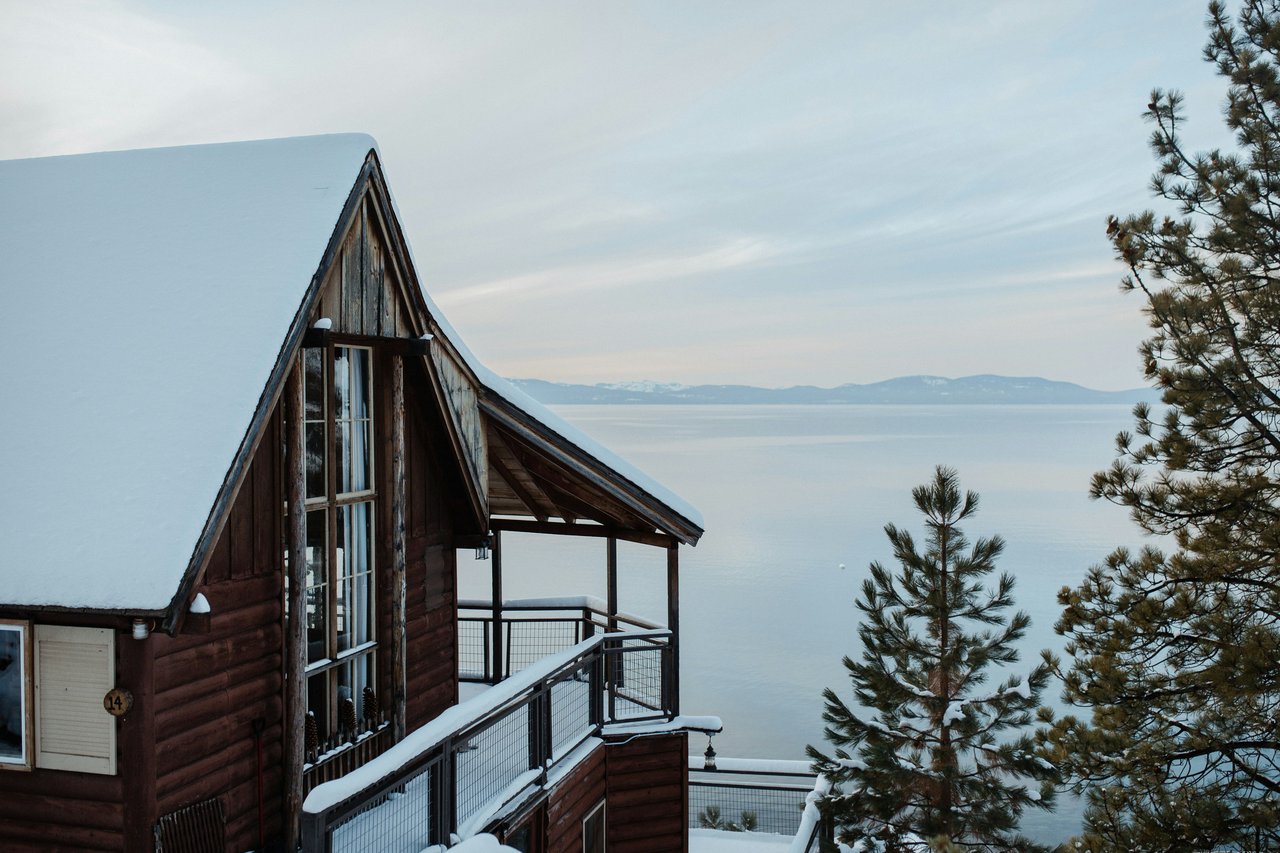
There's something undeniably special about Lake Tahoe in winter. Snow-covered pines, mountain views, world-class skiing, and the warmth of a fireplace after a day outdoors make the region one of the most desirable mountain destinations in the country.
But while many buyers picture Tahoe at its summer best, winter can offer a unique opportunity to explore the real estate market from a different perspective.
Whether you're searching for a luxury mountain retreat, a vacation property, or a year-round residence, purchasing a home during the colder months comes with both advantages and important considerations.
Here's what prospective buyers should know before beginning their Lake Tahoe home search this winter.
Winter May Bring Less Competition
Spring and summer are traditionally popular seasons for real estate activity, and Lake Tahoe's beautiful weather naturally attracts prospective buyers during the warmer months.
Winter, however, can present a different buying environment.
Some buyers pause their searches during the holidays or hesitate to travel during snowy weather. Depending on the neighborhood and current market conditions, this may mean fewer competing buyers for certain properties.
For buyers who are prepared to act, reduced competition can create opportunities for more thoughtful negotiations.
That doesn't mean every winter listing is a bargain. Desirable luxury homes, lakefront properties, and residences near major ski destinations can attract significant interest regardless of the season.
The key is understanding the local market rather than assuming seasonal trends apply equally to every property.
Experience the Property During Tahoe's Most Demanding Season
One of the greatest advantages of touring a Lake Tahoe home in winter is seeing how it performs when mountain conditions are at their most challenging.
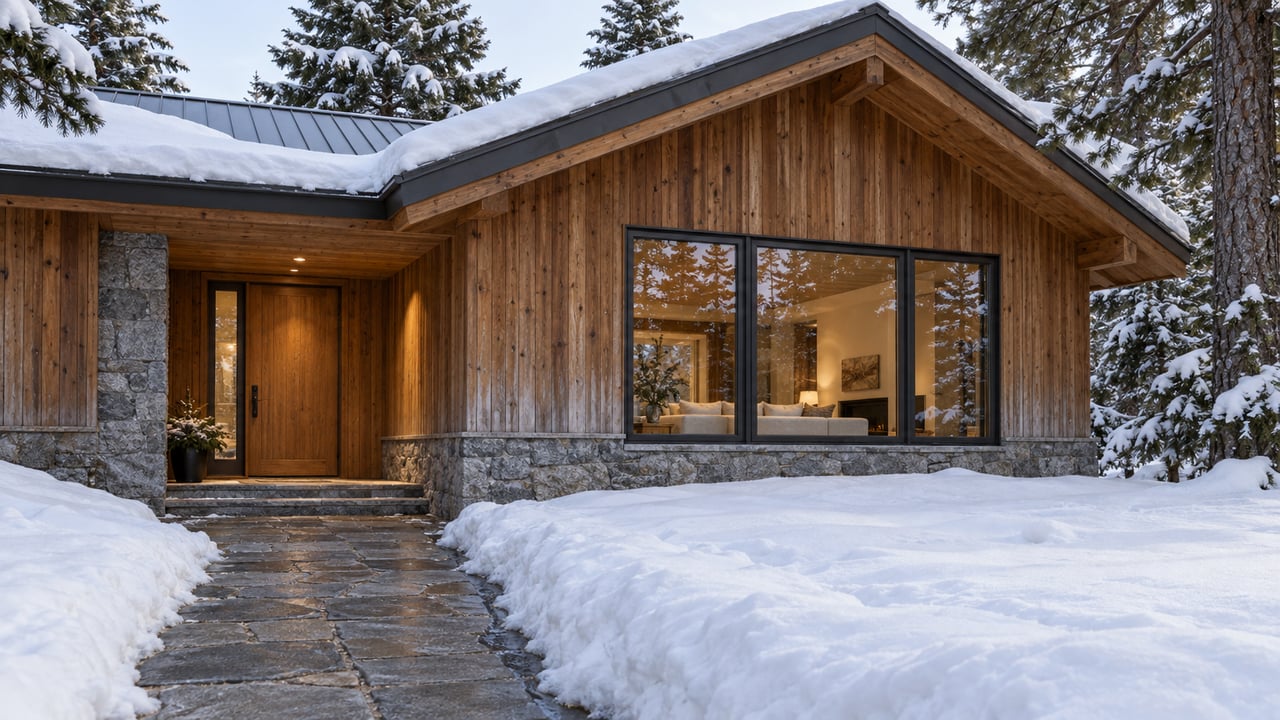
A beautiful summer driveway may feel very different beneath several inches of fresh snow. A secluded mountain retreat may require additional planning for access and maintenance during winter storms.
Visiting during the colder months gives buyers the opportunity to evaluate practical considerations such as:
- Driveway accessibility and slope
- Snow removal requirements
- Heating efficiency and comfort
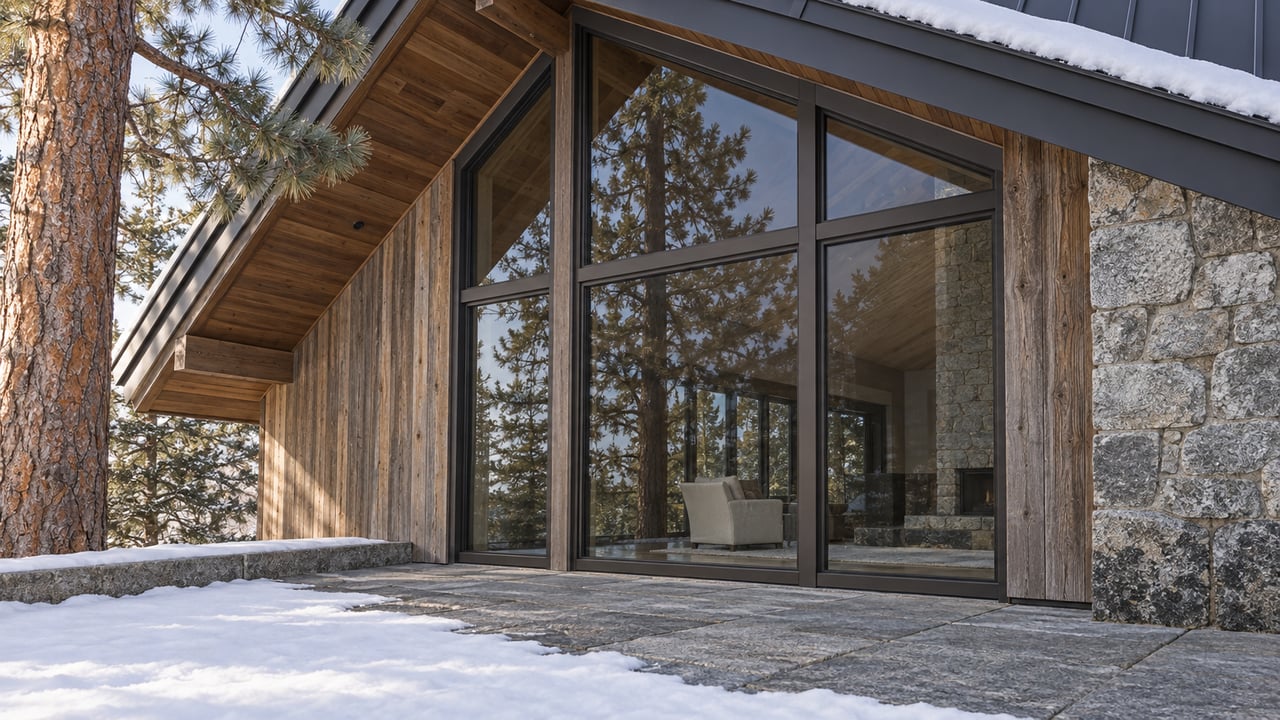
- Roof design and snow accumulation
- Winter sunlight and natural lighting
- Parking availability during heavy snowfall
- Accessibility to nearby roads and services
For second-home buyers, these details are especially important. A property that looks effortless in July may require a more comprehensive maintenance plan in January.
Understanding those responsibilities before purchasing helps ensure the home fits your lifestyle.
Pay Special Attention to Winter Home Inspections
Buying a home in a mountain environment requires careful due diligence, regardless of the season.
During winter, certain property features deserve additional attention.
Roof and snow management: Heavy snow accumulation, ice dams, and freeze-thaw cycles can place additional stress on roofing systems. Buyers should ask about roof age, maintenance history, snow retention systems, and any previous winter-related damage.
Heating systems: A reliable heating system is essential in Lake Tahoe. Request service records and have qualified professionals evaluate the condition of furnaces, boilers, fireplaces, and other heating equipment.
Plumbing and insulation: Frozen pipes can cause significant damage. Proper insulation, protected plumbing, and winterization procedures are particularly important for homes that may remain unoccupied for extended periods.
Drainage and exterior conditions: Snow can conceal grading, landscaping, decks, and drainage features. Buyers should request available photographs, documentation, and inspection information from snow-free seasons.
A winter inspection may not reveal every exterior condition. Buyers should work with their agent and qualified inspectors to understand any limitations and determine whether additional evaluations or appropriate contract protections are necessary.
Understand Snow Removal and Property Access
Snow removal is a normal part of owning property in Lake Tahoe, but responsibilities can vary significantly depending on the location and property type.
Some neighborhoods benefit from municipal or county-maintained roads, while private roads, shared driveways, and certain residential communities may have separate maintenance arrangements.
Luxury properties with long private driveways or extensive outdoor areas may require professional snow removal services.
Before purchasing, buyers should understand:
- Who maintains the road and driveway
- Whether snow removal is included in HOA fees
- Where accumulated snow can be stored
- Whether access remains practical during major storms
- What ongoing winter maintenance may cost
For vacation homeowners, arranging dependable local services can be especially valuable when a property is unoccupied.
Consider the Benefits of Buying a Ski-Season Retreat
For buyers who dream of owning a mountain getaway, winter is an ideal time to experience the lifestyle firsthand.
Communities near Heavenly Mountain Resort, Northstar, Palisades Tahoe, and Kirkwood each offer distinct experiences, from lively resort surroundings to quieter residential settings.
Touring during ski season allows buyers to better understand travel routes, neighborhood activity, winter accessibility, and proximity to the recreational opportunities that initially attracted them to Tahoe.
It also helps buyers determine whether they prefer a home close to restaurants, shopping, and entertainment or a more private setting surrounded by forest and mountain scenery.
The right choice depends on how you envision spending your time in Lake Tahoe.
Budget for Year-Round Mountain Ownership
Owning a Lake Tahoe property can be incredibly rewarding, but buyers should evaluate the full cost of ownership beyond the purchase price.
Depending on the home, additional expenses may include snow removal, heating, winter maintenance, insurance, landscaping, and periodic property inspections.
For second-home owners, professional property management or home-watch services may also be worth considering.
Insurance deserves particular attention. Buyers should investigate coverage availability, premiums, deductibles, and any property-specific requirements early in the purchasing process.
A clear understanding of these expenses allows buyers to make informed decisions and enjoy their investment with greater confidence.
7. Work With a Real Estate Professional Who Understands Lake Tahoe
Lake Tahoe is not a single, uniform real estate market.
Conditions, property characteristics, ownership requirements, and neighborhood lifestyles can vary considerably between South Lake Tahoe, Tahoe City, Incline Village, Zephyr Cove, and the surrounding mountain communities.
An experienced local real estate professional can help buyers evaluate these differences, identify properties that align with their goals, and navigate the practical considerations of mountain homeownership.
This expertise is particularly valuable during winter, when weather conditions, property access, and seasonal maintenance can add complexity to the purchasing process.
Frequently Asked Questions About Buying a Home in Lake Tahoe During Winter
Is winter a good time to buy a home in Lake Tahoe?
Winter can be an excellent time to explore the Lake Tahoe real estate market. Some properties may experience less buyer competition, and touring during snowy conditions provides valuable insight into winter accessibility and maintenance. However, inventory and pricing vary by location and market conditions.
Are Lake Tahoe homes less expensive in winter?
Not necessarily. While some sellers may be open to negotiation, home prices depend on factors such as location, condition, demand, and comparable sales. Luxury and ski-oriented properties can remain highly desirable throughout winter.
Can you inspect a Lake Tahoe home when it's covered in snow?
Yes, although snow may limit visibility of certain exterior features, including roofing, landscaping, drainage, and decks. Qualified inspectors can identify accessible areas and explain which components may require additional evaluation.
What should second-home buyers consider before purchasing in winter?
Second-home buyers should evaluate heating systems, snow removal arrangements, property monitoring, insurance, emergency access, and the costs of maintaining a home during extended absences.
Find Your Place in Lake Tahoe This Winter
There's no single perfect season to purchase a home in Lake Tahoe. The best time depends on your goals, the available properties, and your readiness to make a move.
For buyers willing to embrace the winter season, exploring homes during the colder months can provide a valuable understanding of both the property and the lifestyle that comes with it.
Whether you're looking for a luxury vacation retreat, a ski-season escape, or a permanent home in the mountains, knowledgeable local guidance can make all the difference.
Thinking about buying a home in Lake Tahoe?
Gregory Ochoa of Tahoe Luxury Living offers personalized real estate guidance throughout the Lake Tahoe region. Explore available properties and discover the possibilities of mountain living at TahoeLuxuryLiving.com.
Photo by adrianna geo