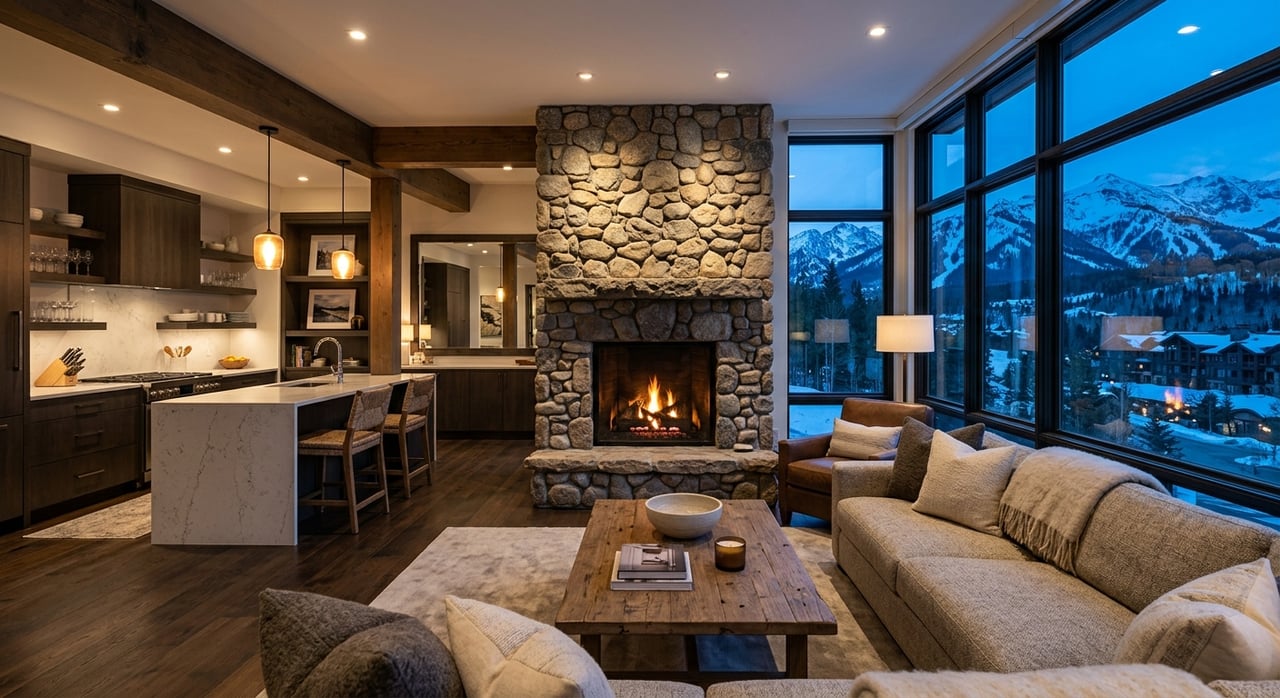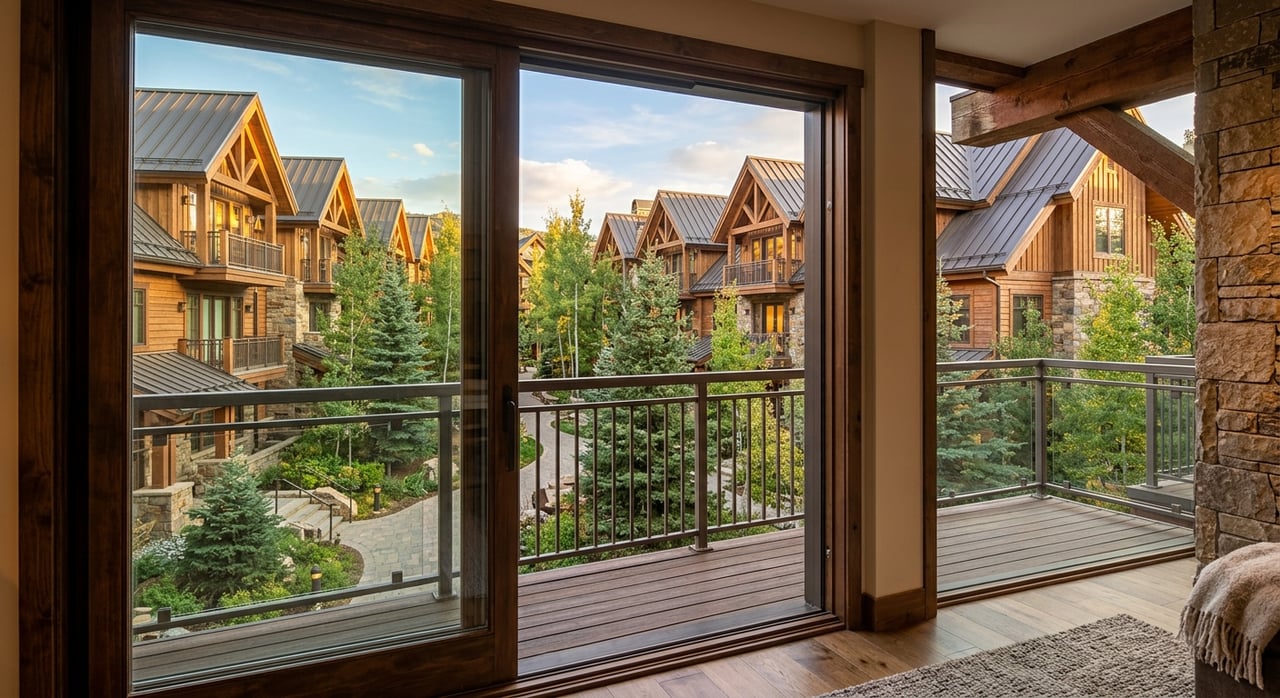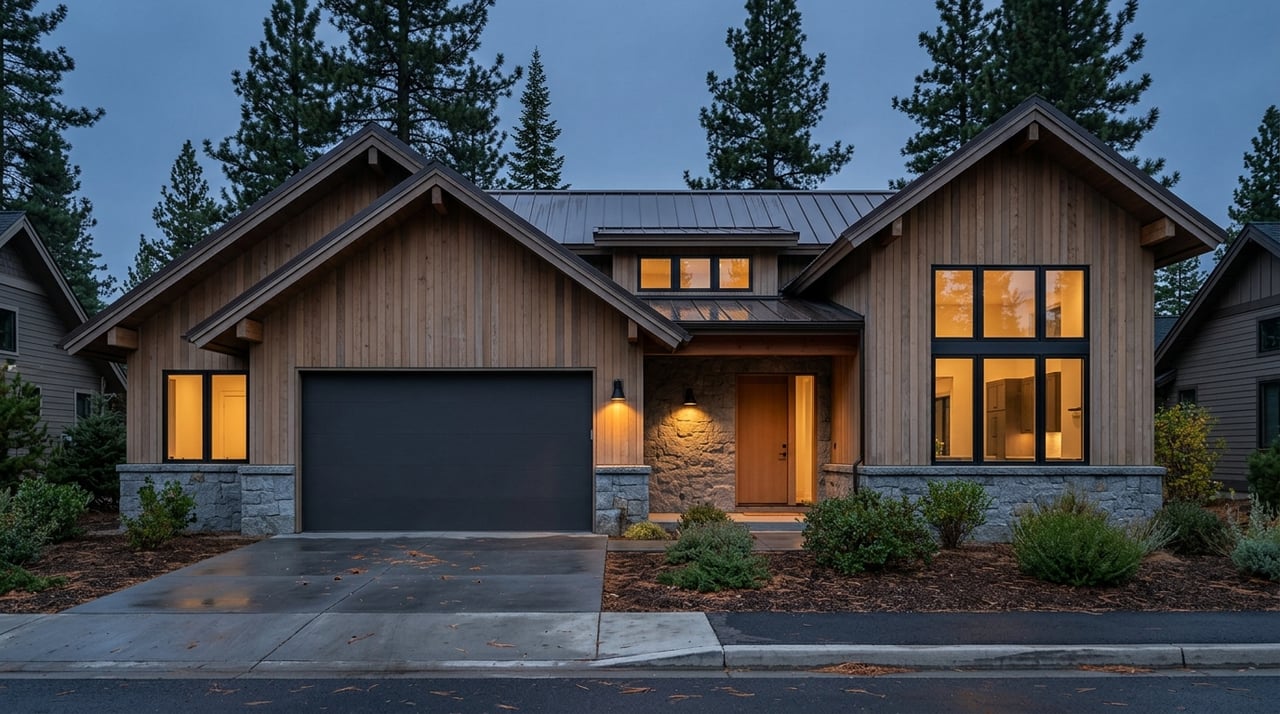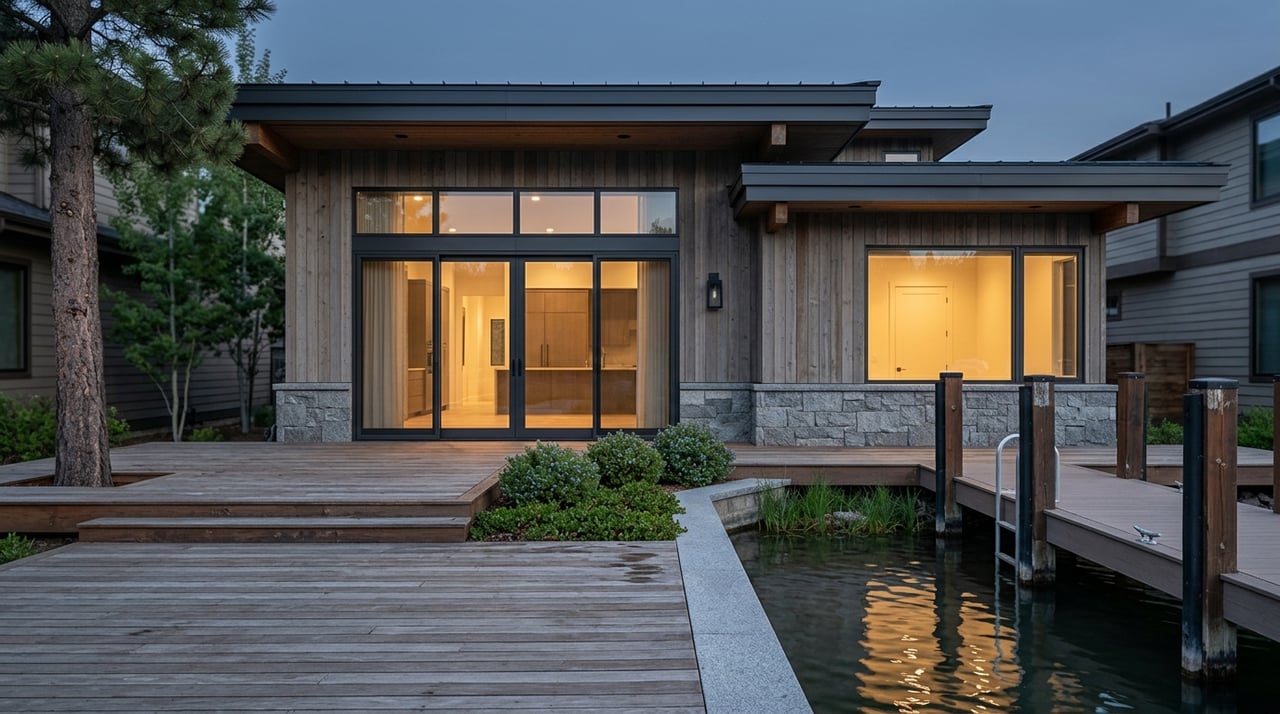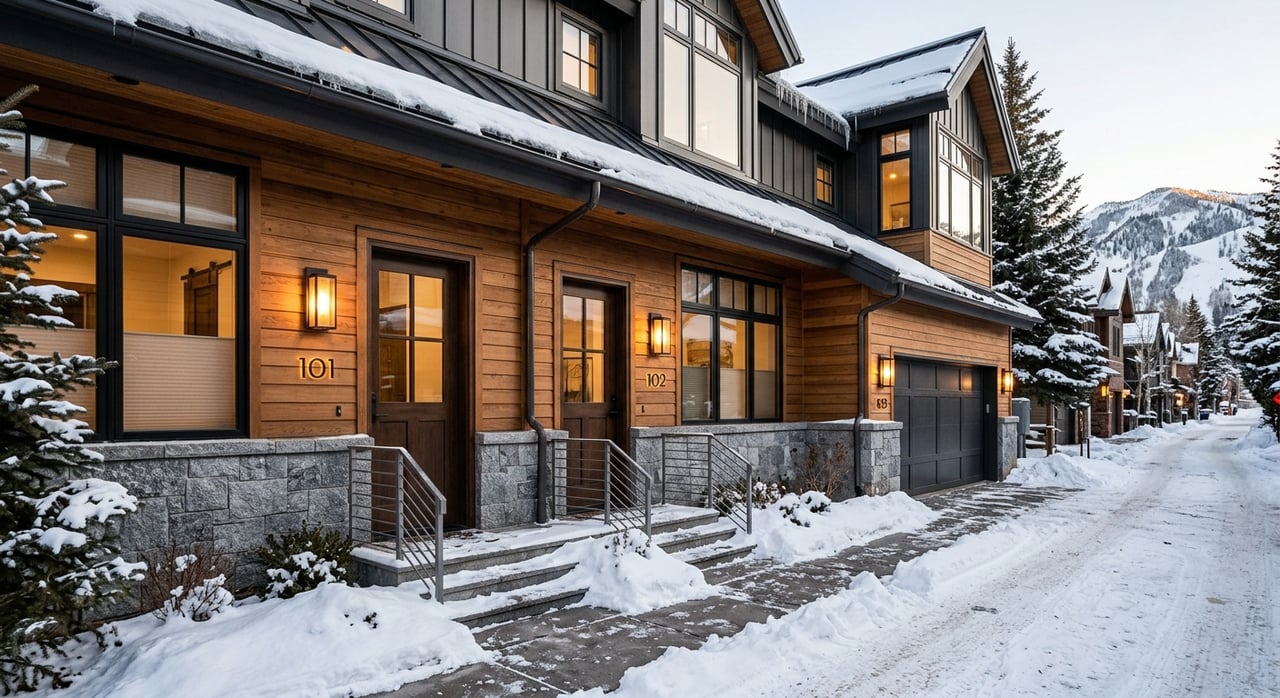
Wondering whether a condo or a single-family home makes more sense in Incline Village? It is a smart question, because this is not just a style choice. In Incline, your decision affects maintenance, privacy, rental flexibility, carrying costs, and what you may be able to change later. If you are weighing lifestyle against long-term practicality, this guide will help you sort through the tradeoffs clearly. Let’s dive in.
Why the Choice Matters in Incline Village
Incline Village is a resort community, but it also comes with district-level fees, local land-use rules, and wildfire requirements that can shape ownership in very real ways. That means the condo versus single-family decision is often more important here than in a typical market.
One key reason is amenity access. IVGID manages Incline Village’s beaches and recreation system, including four restricted-access beaches and discounted access for pass holders to golf, ski, tennis, pickleball, and the recreation center. For most parcels in 2025-2026, the combined Recreation Facility Fee and Beach Facility Fee was $1,375, and that fee is collected on the county tax roll.
So in many cases, you are not choosing between a property with amenities and one without. You are often choosing between more convenience and shared management or more privacy and control.
Condo Living in Incline Village
A condo or townhome is often the better fit if you want a lower-maintenance second home that is easy to lock and leave. If you plan to use your property seasonally or in shorter bursts throughout the year, that simplicity can be a major advantage.
Shared maintenance is usually one of the biggest benefits. You may have fewer exterior tasks to manage yourself, and that can make ownership feel more predictable, especially if you live out of the area.
That said, convenience usually comes with more rules. HOA governance can matter just as much as the property type itself, especially if you care about rentals, parking, pets, or how the property can be used.
Condo Pros
A condo or townhome may be a strong match for you if you want:
- Lower day-to-day maintenance
- Easier seasonal or second-home use
- A more lock-and-leave ownership experience
- Shared responsibilities for common areas
- Less direct oversight of exterior upkeep
Condo Tradeoffs
The tradeoff is usually less control. You may need to work within HOA rules that affect how you use the property.
That is especially important if you are thinking about short-term rentals. Washoe County requires a permit before advertising or renting a private residence, including a condominium, for fewer than 28 days, but county rules do not override private HOA restrictions. The county also states that it does not enforce HOA CC&Rs, so you need to confirm those rules directly before you count on a rental strategy.
Parking Matters for Condo Rentals
If rental income is part of your plan, parking deserves close attention. In the Tahoe Basin, Washoe County asks condo short-term rental applicants to document assigned or open parking and evaluates occupancy based on available parking at one space for every four occupants.
That means a condo with limited or unclear parking may not support your goals as well as it first appears. For investor-minded buyers, the real analysis is not just nightly demand. It is HOA permissions, county permitting, parking, and fire compliance working together.
Single-Family Ownership in Incline Village
A single-family home is often the better choice if privacy, outdoor space, gear storage, and long-term flexibility matter most to you. It can also be a better fit if you want more separation from neighbors and more control over how the property lives day to day.
Detached ownership tends to appeal to buyers who want room for guests, pets, or a more personalized mountain lifestyle. It can also feel more like a long-term legacy purchase, especially if your goal is to use the property for many years.
But in Incline Village, more space does not always mean more freedom to build or expand. Tahoe-area rules can make future changes more complex than buyers expect.
Single-Family Pros
A single-family home may be a strong match for you if you want:
- More privacy
- More yard or outdoor control
- Better storage for recreation gear
- Greater flexibility for guest use
- More potential for future customization
Single-Family Tradeoffs
Single-family ownership usually comes with more direct responsibility. You may be taking on more exterior maintenance, more seasonal upkeep, and more wildfire-prep work.
TRPA rules are a major part of that equation. TRPA treats homes, driveways, parking areas, and even compacted soil as land coverage, and residential site assessments are often needed before permits can be issued. If you think you may want to add on, rework parking, or expand outdoor improvements later, this deserves careful review early in your search.
Buildability Is Not Just About Lot Size
Many buyers assume a larger lot automatically means easier expansion. In the Tahoe Basin, that is not always true.
TRPA says development rights are tied to the property and may be banked, transferred, or acquired. Its guidance also notes that new development can depend on available coverage and whether the property has the needed residential unit of use or bonus unit. In practical terms, a bigger parcel does not always equal more buildability.
Wildfire Readiness Is Part of Ownership
Wildfire preparedness matters for all property owners in Incline Village, but it can feel especially tangible with detached homes. NLTFPD’s updated fire code and WUI code took effect January 1, 2026, and were written specifically for Incline Village and Crystal Bay conditions.
NLTFPD also offers defensible-space inspections and chipping services. The district says defensible space helps reduce wildfire risk, improve firefighter access, and increase structure survivability.
For single-family buyers, this means you should budget for more than ordinary maintenance. Vegetation management, defensible space, and ongoing fire-safety compliance should all be part of your ownership plan.
Carrying Costs to Compare Carefully
In Incline Village, carrying costs can look different from what buyers expect. There are district-level charges on top of normal ownership expenses, and they apply whether you buy a condo or a single-family home.
For 2025-2026, IVGID’s Recreation Facility Fee was $720 and the Beach Facility Fee was $655, for a combined total of $1,375 for most parcels. Spread over a year, that is about $114.58 per month.
Water and sewer also add a meaningful base cost before usage. IVGID’s adopted monthly base invoices for 3/4-inch residential service were $53.44 for water and $89.51 for sewer, for a combined $142.95. For 1-inch service, the combined base invoice was $232.16.
Those charges are not purely flat. IVGID says water and sewer rates also include admin fees, capital-improvement charges, and usage-based charges, and sewer costs are calculated from water use during different billing seasons. Larger homes, bigger service sizes, irrigation, and heavier guest use can all raise monthly ownership costs.
Condo vs. Single-Family Cost Patterns
In broad terms, condos may reduce some maintenance burden, but they can add HOA dues and more governance. Single-family homes may offer more independence, but they can bring higher utility usage, more upkeep, and more exposure to site-related compliance issues.
Neither option is automatically cheaper in every case. The smarter approach is to compare the full stack of costs, including:
- IVGID recreation and beach fees
- Water and sewer base charges
- Usage-driven utility costs
- HOA dues, if applicable
- Fire-prep and defensible-space work
- Repair and maintenance responsibilities
- Short-term rental compliance costs, if relevant
Taxes and Second-Home Planning
Property taxes are another area where your intended use matters. Washoe County says owner-occupied primary residences, including single-family homes, condos, townhouses, and manufactured homes, qualify for the 3% tax cap.
Other properties are generally limited to a cap not to exceed 8%. So if you are buying a second home in Incline Village and do not expect it to become your primary residence, the 8% cap is usually the more practical budgeting assumption.
This is not a condo versus single-family issue by itself. It is a reminder that your ownership plan matters just as much as the property type when you build your budget.
How to Decide Based on Your Goals
The best choice usually comes down to how you plan to use the property, not what sounds better in theory. In Incline Village, the right fit is the one that supports your lifestyle while staying aligned with fees, rules, and maintenance expectations.
Choose a Condo or Townhome If
A condo or townhome may be the better choice if you:
- Want a lower-maintenance second home
- Plan to visit seasonally rather than live full time
- Prefer a lock-and-leave setup
- Value convenience over private outdoor space
- Are comfortable with HOA governance
This path often works well for second-home lifestyle buyers who want easy access to Incline Village without taking on as much direct property oversight.
Choose a Single-Family Home If
A single-family home may be the better choice if you:
- Want more privacy
- Need more room for guests or gear
- Prefer more outdoor control
- Want flexibility for long-term use
- May want to modify the property over time
This path often works best for buyers who see the property as a longer-term retreat or legacy asset and are comfortable managing more upkeep.
Choose Based on Use Case
If you want a ski-and-lake second home, ask yourself whether the property feels easy to lock and leave. If you are buying for long-term family use, privacy and parcel control may matter more.
If you are thinking like an investor, focus on the practical filters first. Confirm HOA permissions, parking, permit requirements, insurance needs, and fire compliance before you get too attached to a projected rental plan.
In a market like Incline Village, the winning choice is usually the one that fits your actual pattern of use, your tolerance for oversight, and your long-term goals.
If you want help weighing the tradeoffs between privacy, convenience, future flexibility, and ownership costs, a tailored property strategy can save you time and expensive surprises. Connect with Gregory Ochoa for a private consultation.
FAQs
Is a condo or single-family home better for a second home in Incline Village?
- A condo or townhome is often better for a second home if you want lower maintenance and an easier lock-and-leave setup, while a single-family home may be better if you want more privacy, storage, and outdoor control.
Do condos in Incline Village have the same beach and recreation access as single-family homes?
- IVGID manages beach and recreation access district-wide, so the key difference is usually not amenity access itself but how much private space and control you want compared with convenience.
Can you use an Incline Village condo as a short-term rental?
- Possibly, but you need to confirm both Washoe County permit requirements and the HOA’s governing documents, since county rules do not override private HOA restrictions on short-term rentals.
What should single-family home buyers know about remodeling in Incline Village?
- Single-family buyers should understand that TRPA land-coverage rules, residential site assessments, and development-rights requirements can affect what you may be able to add or change later.
What extra costs should buyers expect in Incline Village?
- Buyers should budget for IVGID recreation and beach fees, water and sewer charges, usage-based utility costs, and, depending on the property, HOA dues, maintenance, and wildfire-preparedness expenses.
How are property taxes capped for homes in Washoe County?
- Washoe County says owner-occupied primary residences can qualify for a 3% tax cap, while other properties are generally limited to a cap not to exceed 8%, which is often the more relevant assumption for second-home buyers.