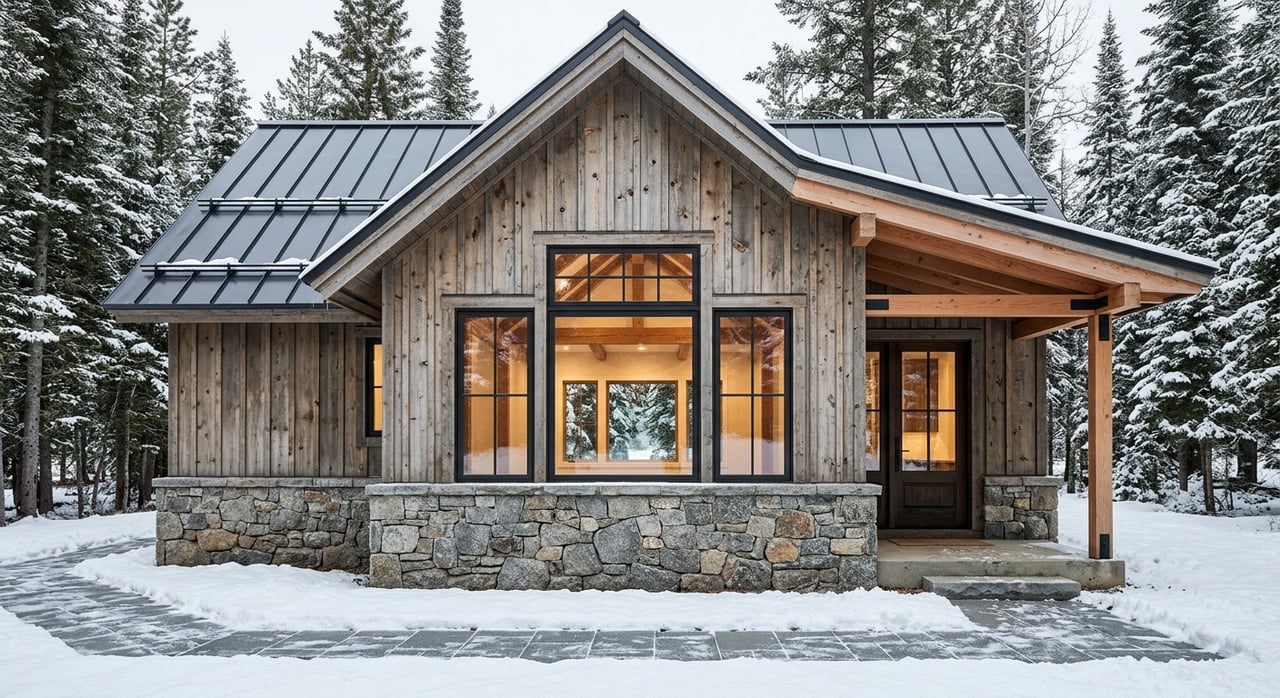
Are you drawn to the charm of a classic Truckee cabin, or does a newer mountain home sound like the easier fit? In Truckee, that choice is not just about style. It affects how you live, what you maintain, and how much predictability you can expect in a high-altitude climate. This guide will help you compare new builds and historic cabins so you can choose a mountain base that fits your goals. Let’s dive in.
Truckee Housing Has Two Distinct Stories
Truckee’s housing stock is shaped by both legacy neighborhoods and newer planned growth areas. The Town of Truckee reports that 30.8 percent of homes were built before 1980, and 4.4 percent were built before 1960. Many of those older homes are concentrated near Downtown and Donner Lake.
At the same time, newer housing is being added through planned and infill development. Town planning documents describe projects and areas like Coldstream, the Downtown Specific Plan, and Tahoe Donner as part of Truckee’s newer supply story. That gives buyers a real choice between older homes with history and newer homes designed for modern expectations.
This matters because the local housing mix is still limited in some categories. A 2025 Town framework says most of Truckee’s housing stock is detached single-family three-bedroom homes, while only about 11 percent is multifamily. In other words, if you are shopping in Truckee, your decision is often less about whether to buy a home and more about what kind of home experience you want.
Why Historic Cabins Appeal to Buyers
Historic cabins often win on feeling. If you want a home that reflects old Truckee character and a strong sense of place, an older cabin can offer something newer construction usually cannot replicate.
Truckee’s Historic Preservation program exists to protect Downtown’s old-town character, preserve historic structures and sites, and encourage compatible development. That helps explain why older homes near the historic core continue to attract buyers who care about authenticity and setting. The appeal is not only the structure itself, but also the connection to Truckee’s long-established identity.
For many buyers, a historic cabin feels personal in a way that newer product may not. Older homes can offer unique layouts, original details, and locations that have been part of Truckee’s story for decades. If you value character first, that can outweigh the tradeoffs.
What to Expect With Historic Ownership
Character usually comes with more responsibility. The Town’s housing element says homes over 30 years old may need minor repairs, while homes over 50 years old are more likely to need major repairs.
In Truckee’s mountain climate, that has real implications. The Town identifies the entire community as a snow area and notes severe weathering, freeze protection needs, and termite risk. With an annual mean temperature of 42.5 degrees and a record low of minus 31 degrees, older systems and deferred maintenance can become more than cosmetic issues.
If you are considering a historic cabin, pay close attention to the basics during due diligence. Key areas often include:
- Roof condition
- Drainage and snow management
- Insulation and weather protection
- Signs of deferred maintenance
- Exterior condition and repair needs
If the property is within the Historic Preservation Overlay District, exterior modifications generally require historic design review unless they qualify for streamlining. That does not make ownership a bad choice. It simply means you should go in with clear expectations about review processes and future projects.
Why New Builds Stand Out
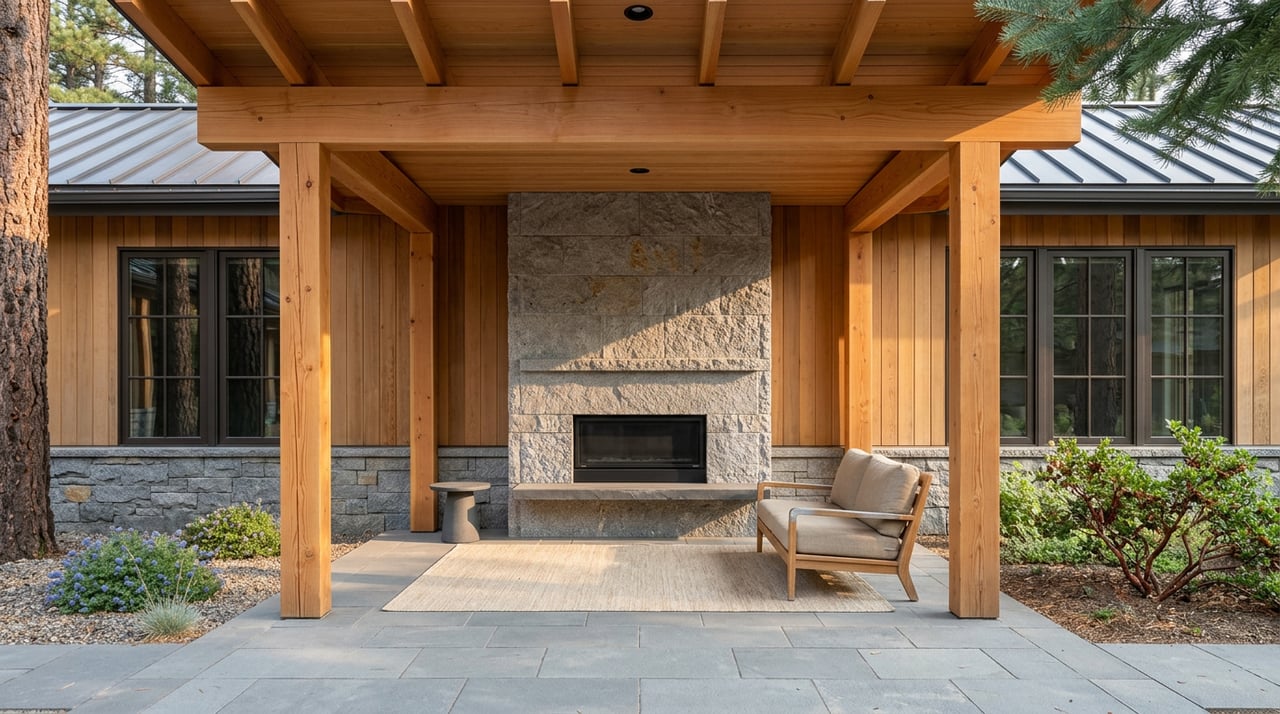
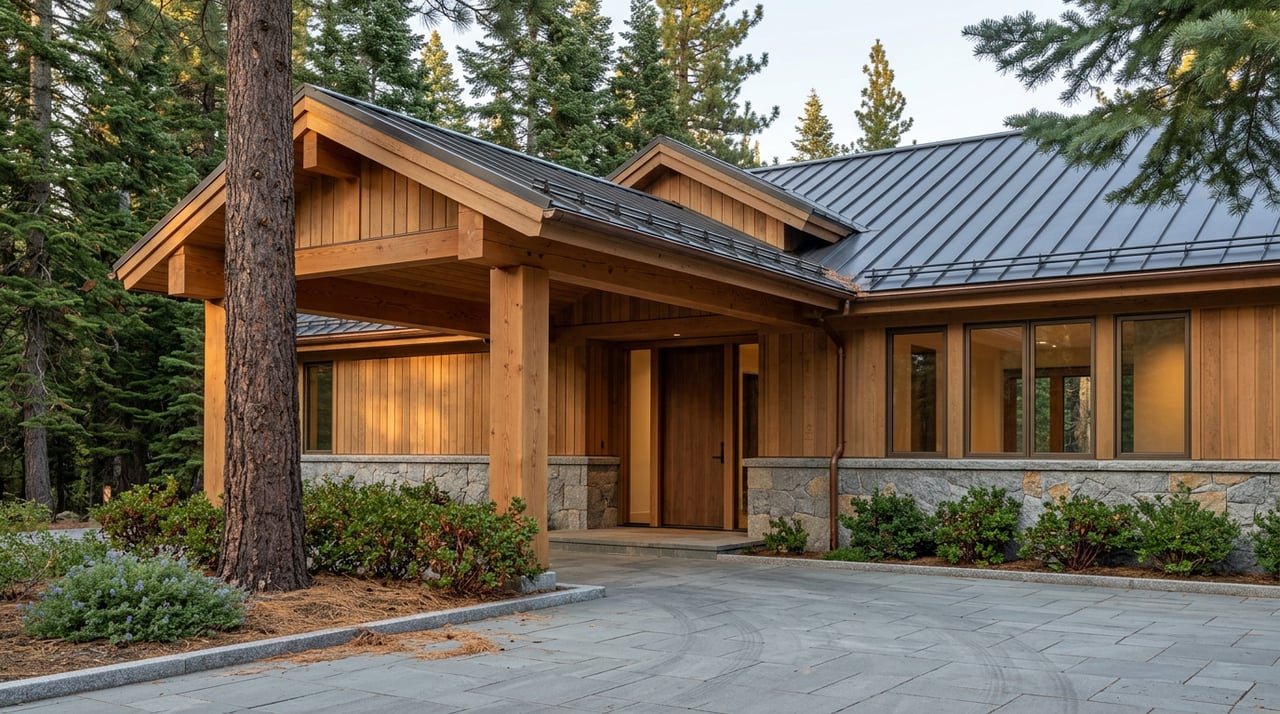
New construction tends to appeal to buyers who want a more turnkey mountain base. In Truckee, much of the newer supply is concentrated in planned or infill areas that may combine housing with open space, commercial uses, or recreation-oriented amenities.
That setting creates a different ownership experience from a legacy cabin in an older neighborhood. You may find a more standardized layout, more predictable systems, and a home designed around how many buyers live today. If convenience and lower near-term project risk matter most, this can be a strong advantage.
Truckee also enforces the 2025 California Building Codes and the 2025 California Energy Code for new submittals. The state code further expands heat pumps, electric-readiness, and ventilation standards for new buildings and major alterations effective January 1, 2026. For buyers, that means newer homes may offer more current-code performance from day one.
New Builds and Daily Ease
In practical terms, newer homes often make day-to-day ownership simpler. That can matter even more in a mountain setting where weather, snow loads, and seasonal use put extra pressure on a property.
A newer home may reduce the chances that your first years of ownership are dominated by repairs or upgrades. While no property is maintenance-free, many buyers appreciate the predictability that comes with newer materials, newer systems, and current construction standards.
That is especially attractive if you are buying a second home or prefer a lock-and-leave lifestyle. For many Truckee buyers, the real luxury is not just appearance. It is knowing your home may require fewer immediate surprises.
Wildfire Readiness Matters Either Way
Whether you buy a historic cabin or a new build, wildfire readiness is part of ownership in Truckee. Truckee Fire states that property owners must maintain defensible space under state law.
It also reports that nearly all properties in the district are located in a high or very high fire hazard severity zone. Real estate inspections are required for many sales, and HOA inspections are not a substitute unless specifically authorized.
This is one of the most important equalizers in the new-versus-old debate. A new home may offer updated construction, and an older cabin may offer unmatched charm, but both require ongoing attention to defensible space and fire safety expectations.
Long-Term Value Depends on Your Priorities
Truckee’s market backdrop supports demand for both property types. A 2025 Town housing framework reported a median home price of $1.507 million. The same framework found that only about 46 percent of housing units were occupied year-round, while the rest were mostly vacation homes or short-term rentals. It also reported that about 9 percent of housing stock was used as short-term rentals and that the true vacancy rate was about 2.3 percent.
Those numbers help explain why both newer homes and historic cabins can hold value. Newer homes may appeal to buyers who prioritize current-code performance and lower near-term maintenance. Historic cabins may appeal to buyers who want rarity, legacy feel, and locations tied to Truckee’s older fabric.
In simple terms, value is not only about age. It is about how well the property matches buyer demand. In Truckee, demand exists for both turnkey ownership and one-of-a-kind character.
A Simple Decision Framework
If you are deciding between a new build and a historic cabin, it helps to focus on how you plan to use the property. The right answer usually becomes clearer when you look at your priorities honestly.
Choose a new build if you want:
- Current-code performance
- More predictable upkeep
- A more turnkey ownership experience
- A layout and systems designed for modern living
- A mountain base that may need fewer immediate projects
Choose a historic cabin if you want:
- Authentic old Truckee character
- A stronger sense of place
- A location tied to legacy neighborhoods
- A home with scarcity and personality
- The willingness to manage project risk and future maintenance
Neither path is automatically better. The better choice is the one that fits your lifestyle, risk tolerance, and long-term plan for the property.
One More Factor: Historic Incentives
If you are considering a qualified historic property, Truckee’s Mills Act program may be worth understanding. The program offers property tax incentives for qualified historic buildings in exchange for preserving or restoring them under a 10-year agreement.
That benefit comes with obligations. Owners must maintain and, when needed, rehabilitate the property in line with the agreement. For the right buyer, this can support long-term stewardship. For others, it may feel too restrictive.
How to Choose Your Truckee Base
The real question is not whether old is better than new. It is whether you want your mountain base to deliver ease, character, or some balance of both.
If you picture weekends with minimal maintenance concerns, a newer home may fit your lifestyle better. If you picture a place with history, texture, and old Truckee identity, a historic cabin may be the more meaningful choice. In a market as nuanced as Truckee, having clear priorities is what keeps you from buying the wrong kind of charm or the wrong kind of convenience.
If you want a discreet, high-touch perspective on how a specific Truckee property fits your goals, connect with Gregory Ochoa for a private consultation.
FAQs
What is the main difference between new builds and historic cabins in Truckee?
- New builds generally offer more predictable systems, current-code performance, and a turnkey feel, while historic cabins tend to offer more character, place identity, and older Truckee charm.
What should you inspect carefully when buying an older Truckee cabin?
- Focus on roof condition, drainage, insulation, weather protection, deferred maintenance, and other age-related repair issues that can be more significant in Truckee’s snow and freeze conditions.
Are exterior changes to historic homes in Downtown Truckee regulated?
- Yes. In the Historic Preservation Overlay District, exterior modifications generally require historic design review unless they qualify for streamlining.
Do new homes in Truckee follow updated building and energy standards?
- Yes. Truckee enforces the 2025 California Building Codes and the 2025 California Energy Code for new submittals, with added state standards for items like heat pumps, electric-readiness, and ventilation taking effect January 1, 2026.
Does wildfire risk affect both new and old homes in Truckee?
- Yes. Truckee Fire says nearly all properties in the district are in a high or very high fire hazard severity zone, and property owners must maintain defensible space under state law.
Can a historic Truckee property offer tax incentives?
- Yes. Qualified historic buildings may be eligible for the Town’s Mills Act program, which offers property tax incentives in exchange for preservation and maintenance commitments under a 10-year agreement.