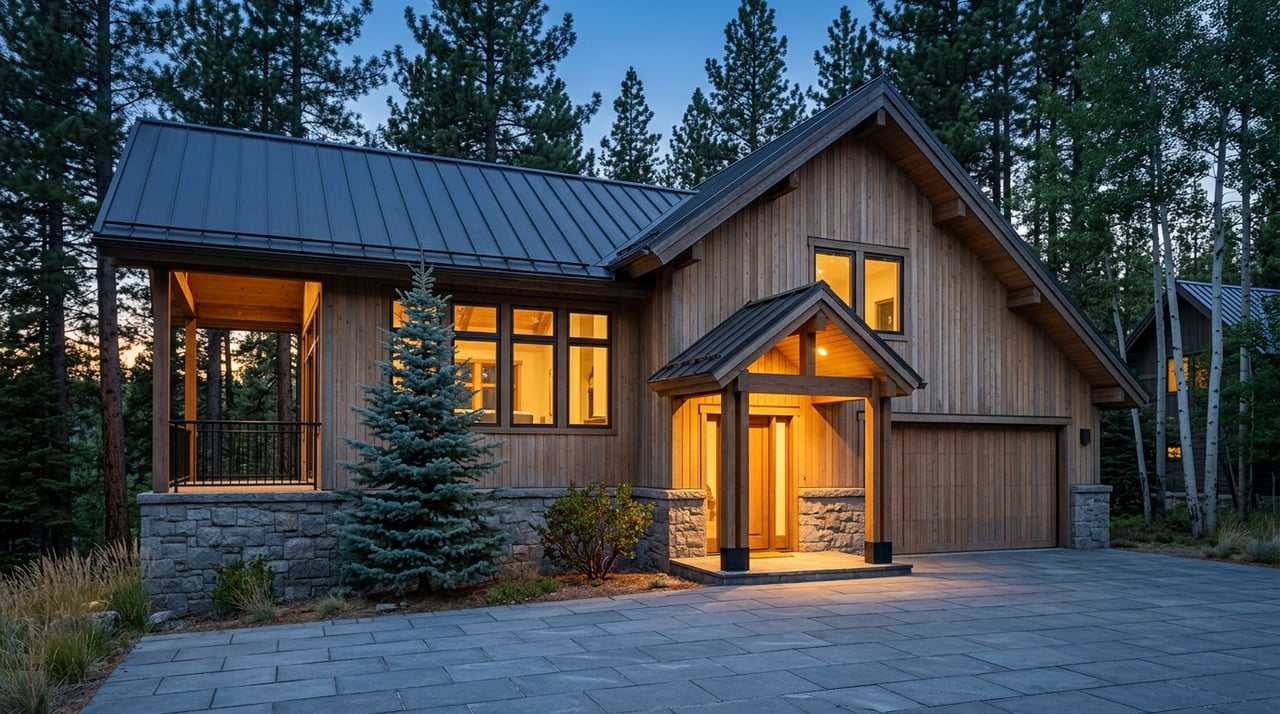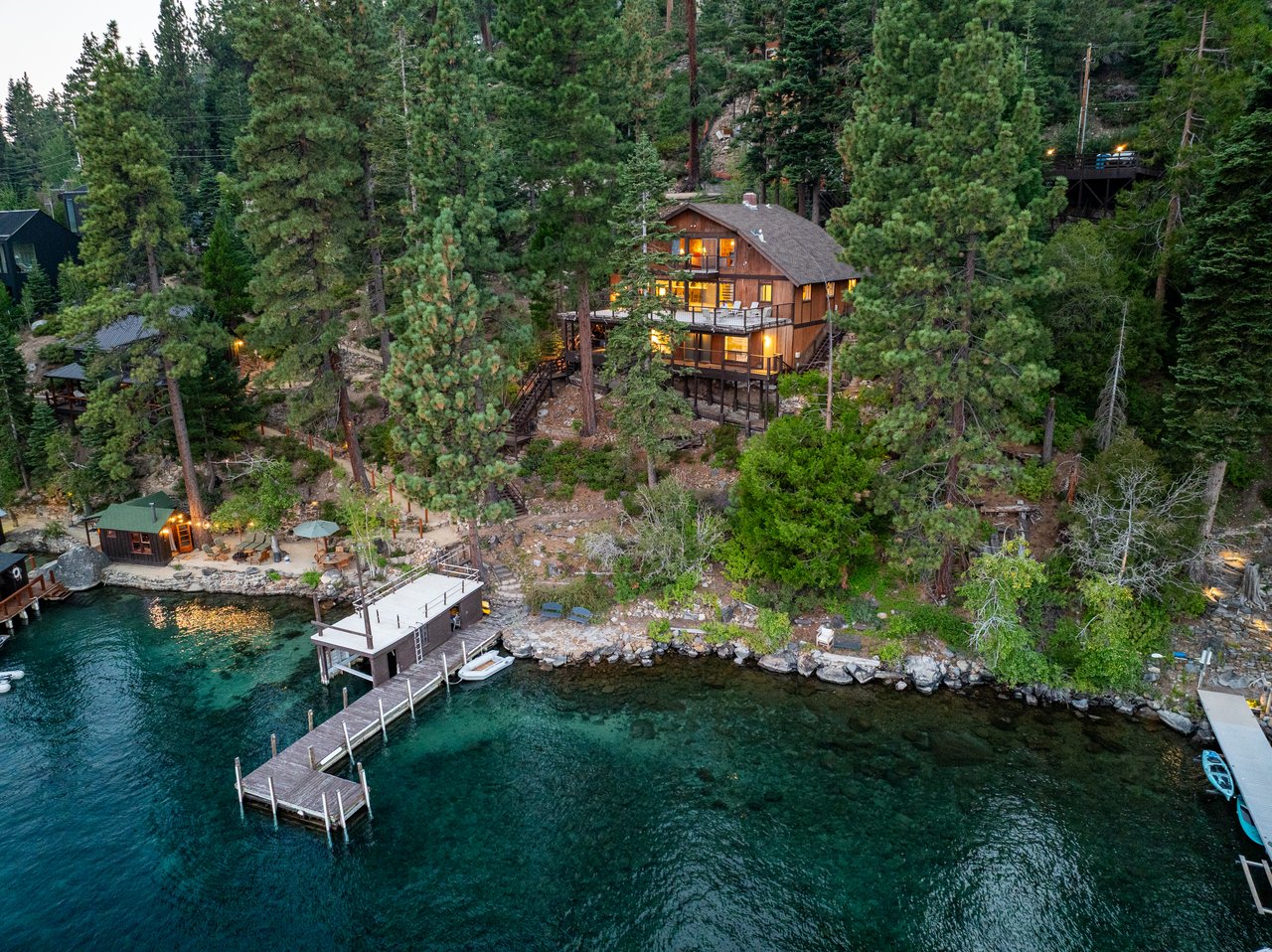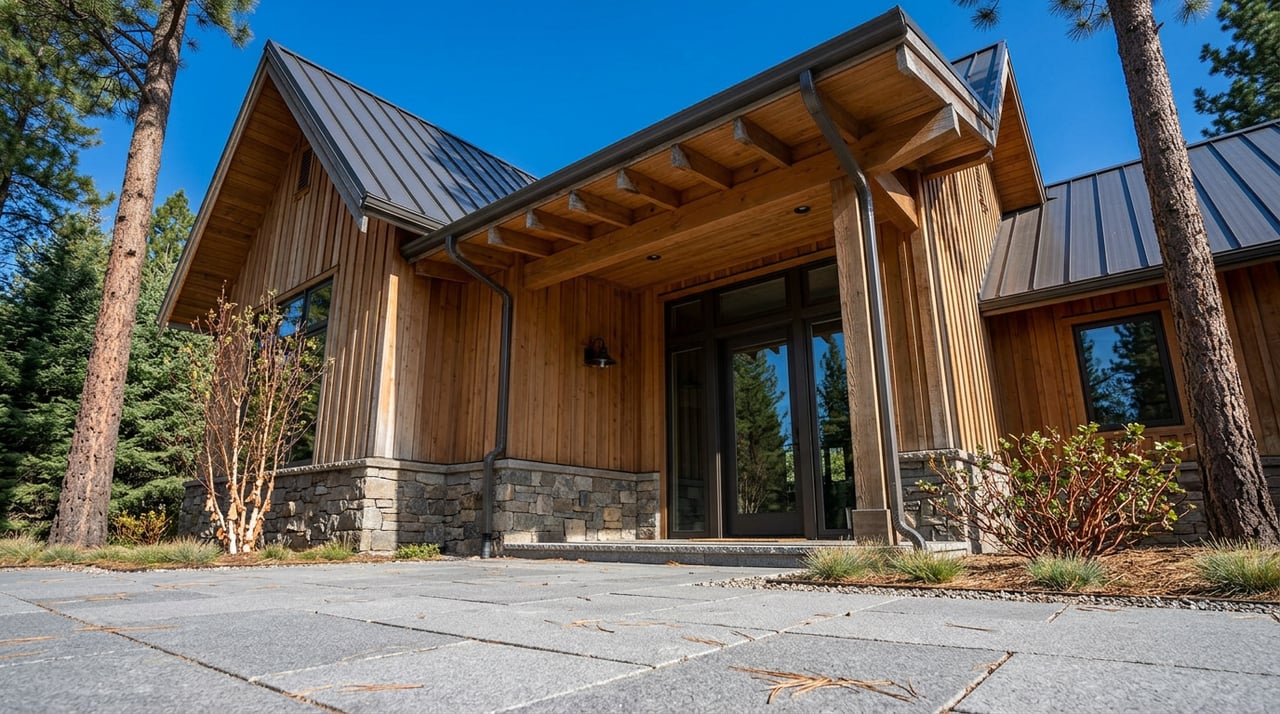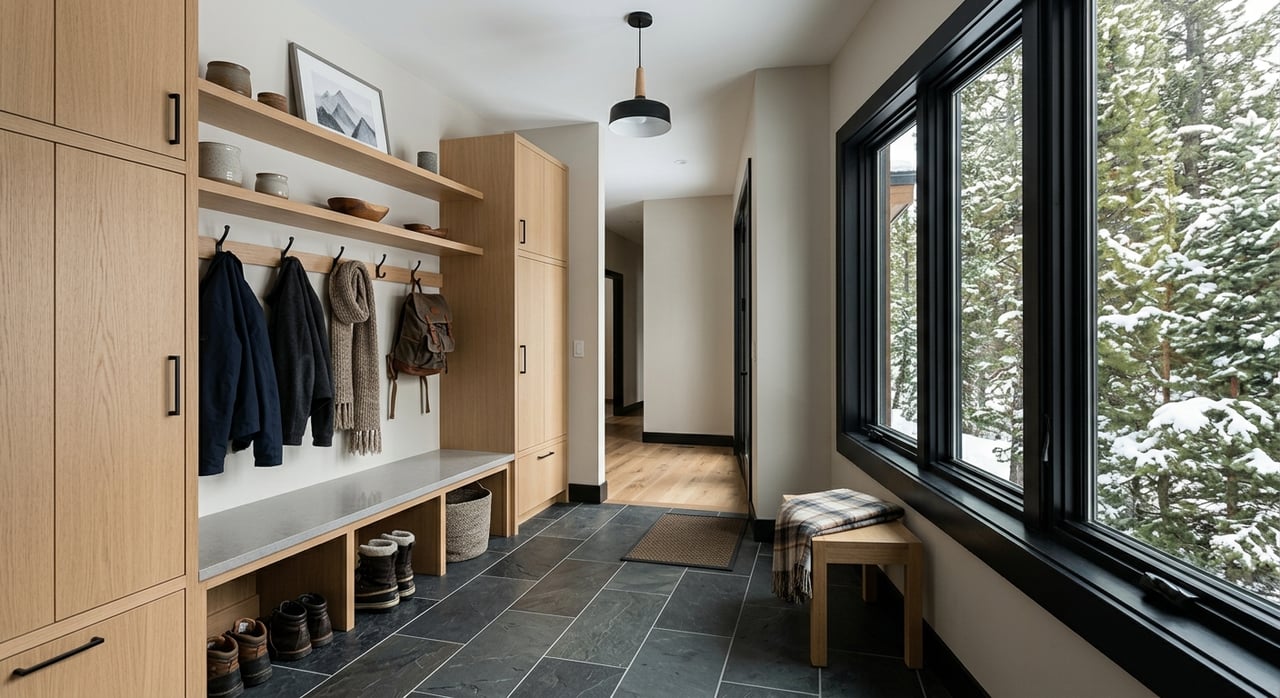
Wondering whether a Tahoe City second home can really be a simple weekend escape? In this part of Lake Tahoe, ownership comes with a different rhythm. With Tahoe City sitting at 6,230 feet and averaging 179 inches of snow each year according to NOAA climate normals, your property needs to be set up for winter conditions, remote oversight, and seasonal absences. If you are buying, using, or occasionally sharing out a home in Tahoe City, this guide will help you think through the essentials from setup to off-season care. Let’s dive in.
Start With a Seasonal Mindset
A second home in Tahoe City should be treated less like a standard lock-and-leave property and more like a home that needs systems, routines, and backup plans. Snow, freezing temperatures, access issues, and utility monitoring are part of normal ownership here, not rare exceptions.
That matters whether you own a lakeview retreat, a mountain neighborhood home, or a low-maintenance condo. The most successful second-home owners usually build a clear operating plan early, so they are not scrambling before the first winter storm or after a mid-season leak.
Set Up Utilities for Absentee Ownership
Prioritize Water Monitoring
One of the first systems to understand is water. The Tahoe City Public Utility District water services page includes customer water information, leak troubleshooting, winterization guidance, and details about a cellular smart water meter system with leak-alert notifications through EyeOnWater.
If you will not be in Tahoe City full time, leak alerts can add a valuable layer of visibility. Even a small plumbing issue can become much more serious when a home sits empty during freezing weather, so remote awareness is not just convenient, it is practical.
Know Your Winterization Basics
For extended absences, TCPUD recommends owners shut off the water and drain internal piping. The district also advises using a stop-and-waste drain valve, insulating exposed pipes, closing summer vents, and considering a temperature monitor.
Just as important, TCPUD warns not to rely only on a heater. If power goes out during cold weather, a heating-only strategy may fail, which is why a full winterization routine matters for second-home ownership in Tahoe City.
Plan Trash and Bear-Box Access Early
Garbage Service Is Not Optional
Waste planning is easy to overlook until it becomes a problem. In Placer County’s Tahoe area, Tahoe Truckee Sierra Disposal states that garbage service is mandatory, even if a home is used only one day per quarter.
TTSD also notes that service can only be discontinued for an entire unoccupied quarter, and the exemption must be filed in advance. For part-time owners, that means waste service should be part of your ongoing ownership budget and planning, not a seasonal afterthought.
Understand Bear-Resistant Requirements
In the Tahoe area, trash storage also connects to local wildlife requirements. Placer County solid-waste guidance states that new residential construction or additions over 500 square feet above 5,000 feet require approved bear boxes.
Even if your property is not new construction, secure trash storage and clear instructions for guests or service providers can help you avoid unnecessary issues. In Tahoe City, owners benefit from treating bear-box access as part of the home’s regular operations.
Keep Winter Pickup Accessible
Snow changes the practical side of garbage day. TTSD advises that cans should be visible and accessible, placed within 20 feet of the roadside by 6 a.m., and that bear-box paths need to stay clear of snow and ice.
For a second home, that detail matters more than it may seem. If you are away for long stretches, make sure your plan includes who checks access after storms and how pickup logistics will work when snow piles up.
Build a Smart Departure Routine
The easiest way to protect a Tahoe City second home is to create a repeatable checklist every time you leave for more than a few days. In a four-season resort market, consistency usually beats improvisation.
A simple departure routine might include:
- Shut off water and drain internal piping for longer absences, based on TCPUD winterization tips
- Confirm leak-alert systems are active
- Check exposed pipes and insulation
- Verify temperature monitoring is working
- Clear access points needed for trash or bear boxes
- Schedule a quick property check before major storms
You do not need an overly complicated process. You do need one that is documented, repeatable, and realistic for your level of use.
Prepare for Snow Access and Road Conditions
Snow removal is a routine ownership issue in Tahoe City. Placer County snow-removal guidance explains that the county provides snow removal on county roadways outside incorporated cities, but not on state highways.
That distinction matters because access is not just about your driveway. It also affects arrival timing, service scheduling, trash pickup, and the ease of getting to and from the property during active weather.
For second-home owners, winter access planning should include:
- Knowing which roads serve your property
- Leaving enough time for changing road conditions
- Coordinating snow clearance for pathways and key access areas
- Checking local conditions before travel or vendor visits
Stay Ready for Emergencies
Remote ownership works best when you have reliable information sources in place before you need them. Placer County’s TahoeAlerts page helps residents and visitors identify the correct emergency-notification system, while the county’s emergency communication resources centralize updates on evacuation areas, fire locations, road conditions, power outages, air quality, and weather.
If you own in Tahoe City, emergency readiness should be part of your initial setup. That is especially true if you live out of the area and may need to make fast decisions from a distance.
A strong emergency setup typically includes:
- Enrollment in the appropriate alert systems
- A current contact list for local help and property access
- A plan for checking conditions during storms or fire events
- Clear instructions for family members or guests staying at the home
Make Fire Resilience Part of Ownership
Defensible Space Matters
Wildfire readiness is a year-round responsibility in the Tahoe Basin. CAL FIRE guidance recommends creating and maintaining 100 feet of defensible space, cutting annual grass to a maximum height of 4 inches, and keeping combustible materials 30 feet away from the home.
For second-home owners, the main challenge is follow-through. If you are not onsite regularly, defensible-space work should be scheduled and reviewed proactively instead of waiting until peak season.
Consider Home Hardening
In addition to vegetation management, CAL FIRE’s home-hardening recommendations include ember-resistant vents and sealing vulnerable gaps in eaves and siding. The agency advises consulting a local building official before changing venting or enclosure details.
These upgrades can be especially relevant for owners making long-term improvements to a Tahoe City property. They can support resilience while also helping you think more strategically about maintenance and capital planning.
Use Tahoe Basin Resources
The Tahoe Basin has its own practical support for fire readiness. TRPA’s Living With Fire resources note that every property owner in the basin can and should complete defensible-space prescriptions, and owners should check with their local fire district for rebate programs, curbside chipping, and free defensible-space inspections.
For Tahoe City specifically, the North Tahoe Fire Protection District defensible-space page notes that tree-removal permits require the property to be compliant with defensible space by the time the project is complete. It also underscores why timing matters for seasonal owners.
Know When Guest Use Becomes a Regulated Rental
Some owners plan to enjoy a Tahoe City home personally and occasionally rent it to guests. If that rental period is 30 days or less, Placer County classifies it as a short-term rental.
The county states that a property may not be rented short-term without a valid STR permit. For new and renewing permits, requirements include a current passing interior Fire Life Safety inspection, a current passing exterior Defensible Space inspection, a TOT certificate, and a local contact who can be reached 24/7 and lives within 35 driving miles.
This is where many second-home owners realize that occasional guest use is not just a casual arrangement. It becomes a formal compliance process with inspections, postings, and local-contact requirements.
Timing Can Affect STR Readiness
If you are considering occasional rental use, do not wait until deep winter to think about defensible-space compliance. North Tahoe Fire Protection District notes that exterior defensible-space inspections for STRs can only be conducted when snow is clear from the ground.
That means fall can be an important planning window. If you need inspections or vegetation work, handling them before snow season may save time and frustration later.
Required Guest-Facing Materials
Placer County’s STR program also requires certain materials to be posted in the unit, including a sticker or bear-box magnet and a Good Neighbor Flyer. The county lists additional optional postings covering topics like Tahoe Alerts, One Big Bin, bear safety, carbon monoxide safety, smoke alarm safety, portable heater safety, and grilling safety.
For owners, the practical takeaway is simple: if guests will use the property, your house manual should be clear, current, and locally relevant. Trash instructions, bear-box use, and emergency information should all be easy to find.
A Practical Tahoe City Ownership Checklist
Owning well in Tahoe City is often about preparation more than reaction. Whether your property is a private retreat, a seasonal family base, or an occasionally rented home, a few recurring checkpoints can make ownership smoother.
Before the first winter, focus on:
- Water shutoff and drain procedures
- Leak-alert setup and temperature monitoring
- Pipe insulation and exposed-area checks
- Snow access for trash, bear boxes, and entry points
Before snow season, focus on:
- Defensible-space work
- Exterior property review
- Scheduling any needed STR-related inspections before snow coverage
- Emergency-alert setup and updated contact lists
Before a guest or rental stay, focus on:
- Confirming STR permit status if applicable
- Verifying the required local contact
- Posting county-required materials
- Sharing trash, bear, and emergency instructions in the home
Why Local Guidance Matters
Tahoe City second-home ownership can be incredibly rewarding, but it works best when your property strategy matches the realities of the area. Seasonal weather, snow logistics, utility oversight, and local compliance all play a role in protecting both your experience and your investment.
If you are buying a second home, evaluating a future retreat, or planning how to use a Tahoe City property more efficiently, local insight can help you avoid expensive assumptions. For tailored guidance on Tahoe Basin second-home ownership and property strategy, connect with Gregory Ochoa.
FAQs
What makes Tahoe City second-home ownership different from other vacation markets?
- Tahoe City sits at 6,230 feet and averages 179 inches of annual snowfall, so winterization, snow access, and remote monitoring are part of normal ownership planning.
What should you do before leaving a Tahoe City second home for an extended period?
- TCPUD recommends shutting off the water and draining internal piping, insulating exposed pipes, closing summer vents, and considering temperature and leak monitoring rather than relying only on a heater.
Is garbage service required for a second home in Tahoe City?
- Yes. TTSD says garbage service is mandatory in Placer County’s Tahoe area, even if the home is only used one day per quarter, unless a full-quarter exemption is filed in advance for an entirely unoccupied quarter.
Do Tahoe City homes need bear boxes?
- Placer County says new residential construction or additions over 500 square feet above 5,000 feet require approved bear boxes.
When does occasional guest use become a short-term rental in Tahoe City?
- In Placer County, a residential unit rented for 30 days or less is considered a short-term rental and may not be rented without a valid STR permit.
What fire-safety steps should Tahoe City second-home owners take?
- CAL FIRE recommends maintaining 100 feet of defensible space, keeping annual grass at 4 inches or lower, and keeping combustible materials 30 feet away from the home, along with considering home-hardening improvements where appropriate.
Why should Tahoe City owners think about STR inspections before winter?
- North Tahoe Fire Protection District notes that exterior defensible-space inspections for STRs can only be conducted when snow is clear from the ground, so fall is often the best time to prepare.