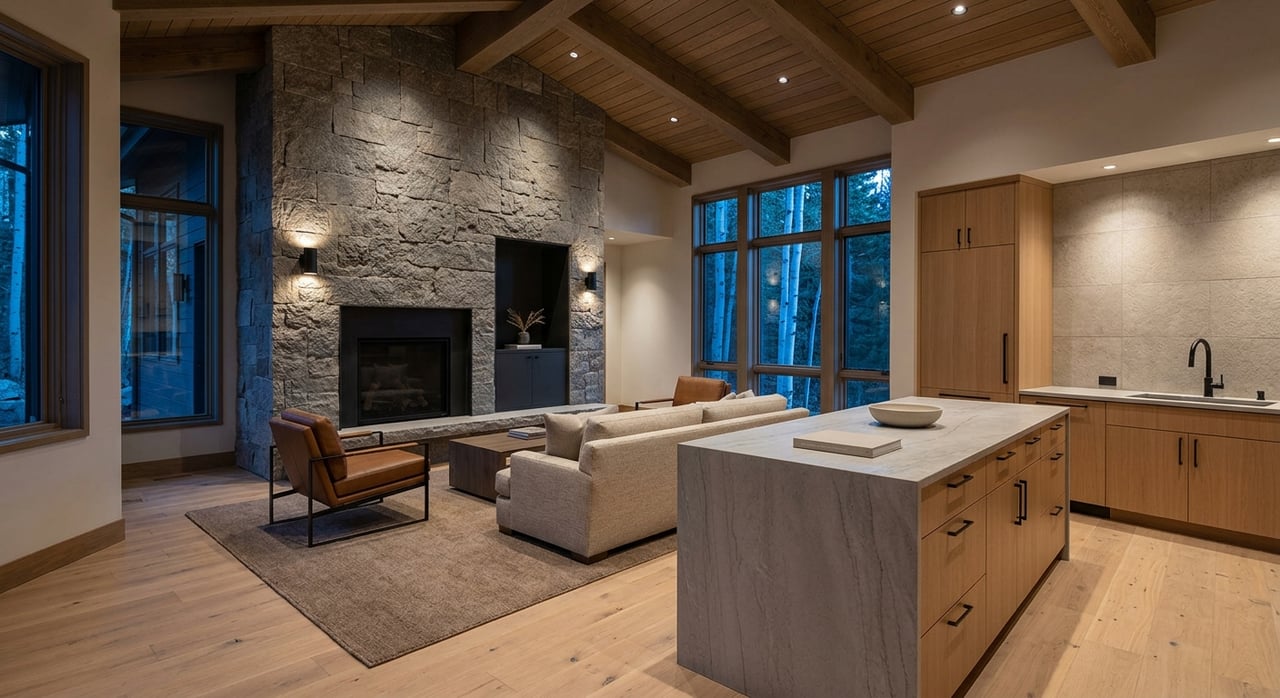
If you are selling a luxury home in South Lake Tahoe, you cannot count on the market to do the heavy lifting for you. Today’s buyers are more selective, homes are taking longer to sell, and details like pricing, presentation, and disclosures can shape the outcome from day one. The good news is that with the right plan, you can still launch with confidence, protect your value, and reduce avoidable surprises. Let’s dive in.
Understand Today’s South Lake Tahoe Market
Selling a luxury home starts with reading the market clearly. In South Lake Tahoe, current data points to a slower, more negotiable environment than the peak frenzy years.
Redfin’s February 2026 market snapshot shows a median sale price of $700,000, 74 days on market, and one offer on average. Realtor.com’s February 2026 market view and local market page indicate a buyer-leaning environment, with homes taking longer to move and sale-to-list ratios that suggest price sensitivity.
For you, that means a luxury listing needs a stronger launch strategy. Instead of relying on broad momentum, you will want to have pricing, staging, photography, and disclosure prep handled before the home goes live.
Step 1: Build Your Timeline Early
Luxury sellers often underestimate how long preparation takes. Realtor.com’s 2026 Best Time to Sell report says 53% of sellers take one month or less to get ready, and it identifies April 12 to 18, 2026 as the best week nationally to list.
That same report says homes listed in that window historically receive 16.7% more views and sell about 9 days faster than average. It also notes that sellers in the West may benefit more from optimizing timing during the early spring high season.
If you want to target a spring launch, start planning well in advance. That gives you time to organize repairs, polish the visual presentation, review disclosures, and avoid rushed decisions.
A simple pre-listing timeline
- 6 to 8 weeks before launch: pricing review, property walkthrough, disclosure planning
- 4 to 6 weeks before launch: repairs, touch-ups, staging plan, compliance review
- 2 to 3 weeks before launch: photography, video, virtual tour, final cleaning
- Launch week: activate listing, showings, buyer follow-up, offer strategy
Step 2: Price for Today’s Buyer
In a softer market, pricing is not just a number. It is part of your marketing strategy.
Buyers in the luxury segment compare condition, setting, views, amenities, and legal details closely. If your home enters the market above what buyers see as supported value, the listing can lose momentum and sit longer, which may weaken your negotiating position.
This is where appraisal-informed pricing matters. A thoughtful pricing strategy should reflect current market pace, local competition, and the features that truly set your property apart, rather than aiming high and hoping the market catches up.
Step 3: Identify Tahoe-Specific Value Drivers
Not every luxury feature carries the same weight in South Lake Tahoe. Your marketing and pricing should focus on the details that buyers in this market often care about most.
For some homes, that may include lakefront access, shoreline improvements, scenic setting, or proximity to outdoor recreation. For others, it may be design quality, privacy, newer construction, or a history of vacation use.
Features that may need extra documentation
- Lakefront or near-shore elements: TRPA’s Shoreline Plan requires registration and annual permitting for existing moorings, while new piers and moorings go through separate allocation processes.
- Scenic review concerns: TRPA scenic protection rules apply in identified scenic resource areas, including parts of the shoreline, roadway corridors, and certain recreation and trail areas.
- Vacation rental history: South Lake Tahoe’s 2025 VHR ordinance says permits are nontransferable, expire annually, and require a new initial application after a change of ownership.
These issues do not automatically hurt a sale. They simply need to be explained clearly, documented carefully, and factored into how the property is positioned.
Step 4: Prepare Disclosures Before You List
Luxury buyers expect clarity. The more complete and organized your disclosures are up front, the easier it is to build trust and keep your transaction moving.
The California Department of Real Estate explains that seller disclosures cover the home’s physical condition, hazards, and defects. It also notes that the agent has a duty to visually inspect the property and disclose readily observable issues.
For a South Lake Tahoe home, pre-listing disclosure prep is especially important if your property has had remodels, major systems upgrades, storm-related repairs, shoreline work, or a vacation rental history. Buyers at this price point often move quickly when the documentation is clear, and slow down when they sense uncertainty.
Step 5: Address Wildfire Requirements Up Front
Wildfire compliance is one of the most important items to handle early. In Tahoe, this is not something you want to leave until escrow.
California Civil Code 1103 requires disclosure when a residential property is located in certain hazard areas, including very high fire hazard severity zones. The same section also covers other mapped hazard zones such as flood, earthquake fault, and seismic hazard areas.
That is not the only fire-related requirement. South Lake Tahoe Fire Rescue says AB 38 compliance documentation is required before close of escrow for residential properties in high or very high fire hazard severity zones, based on locally adopted defensible-space standards.
For many sellers, the smartest move is to treat wildfire review as a pre-listing task. That gives you time to gather documents, complete any needed work, and avoid last-minute delays when a buyer is ready to close.
Step 6: Invest in Staging and Visual Marketing
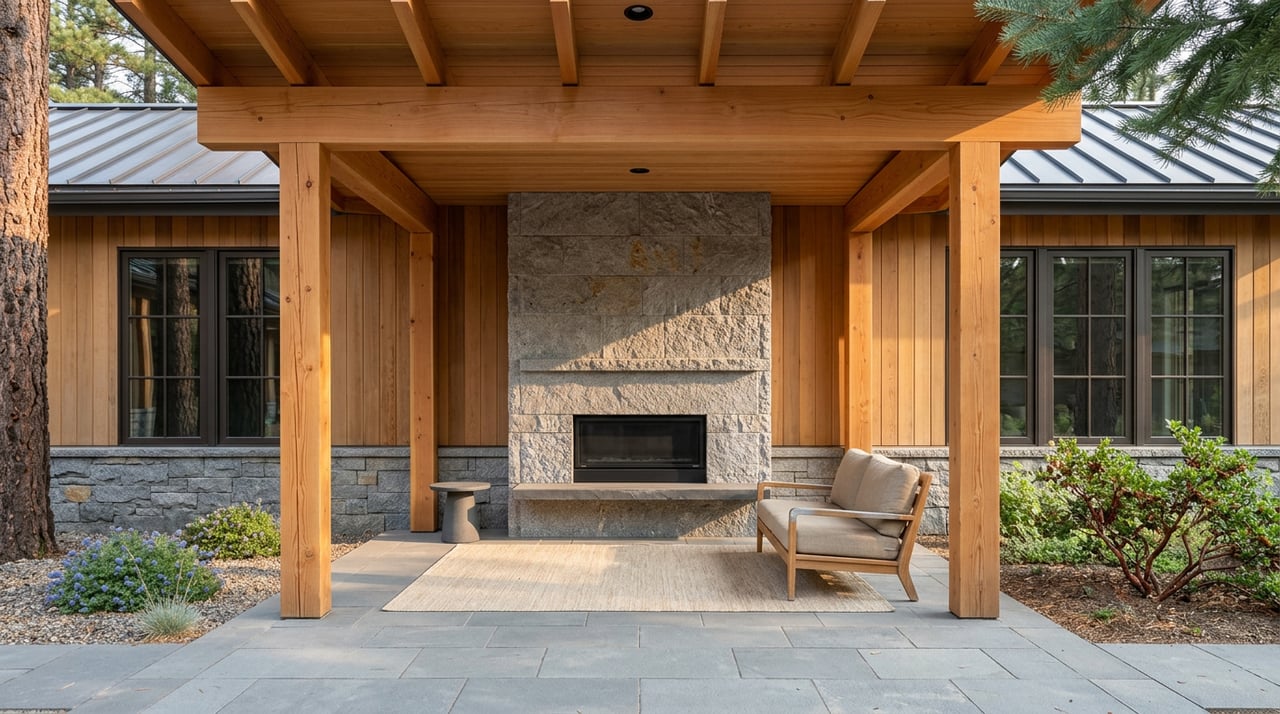
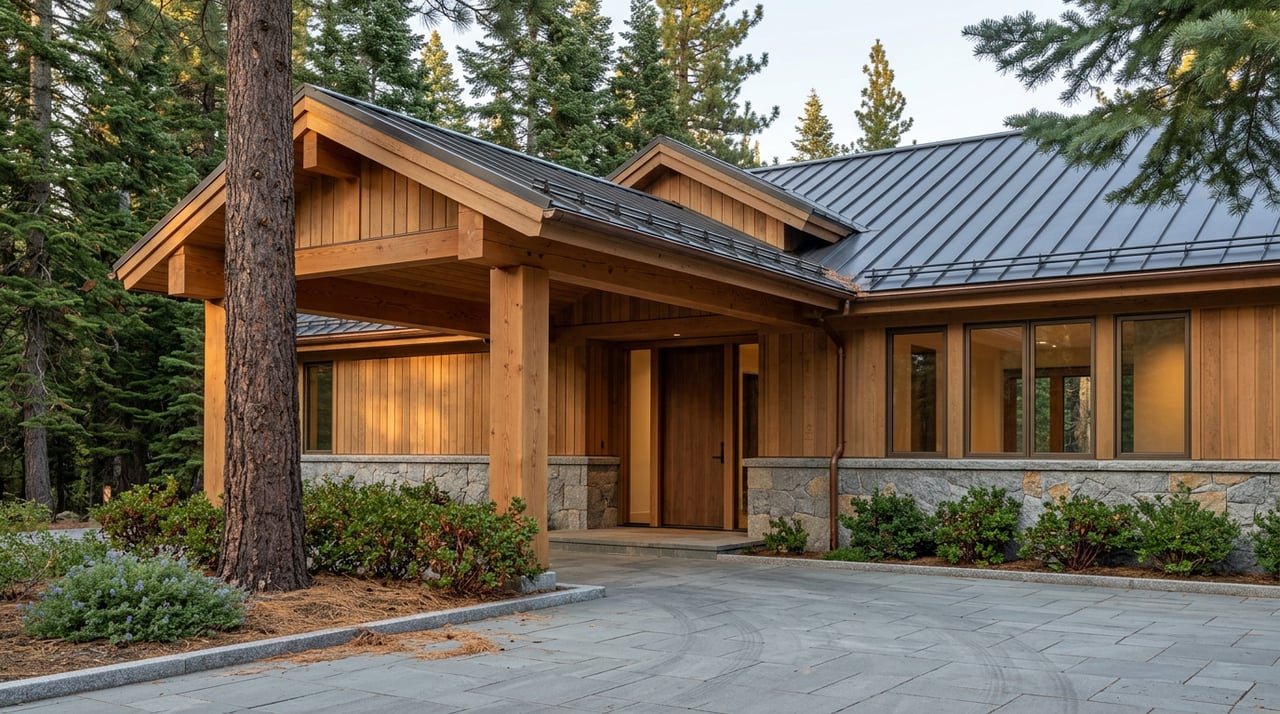
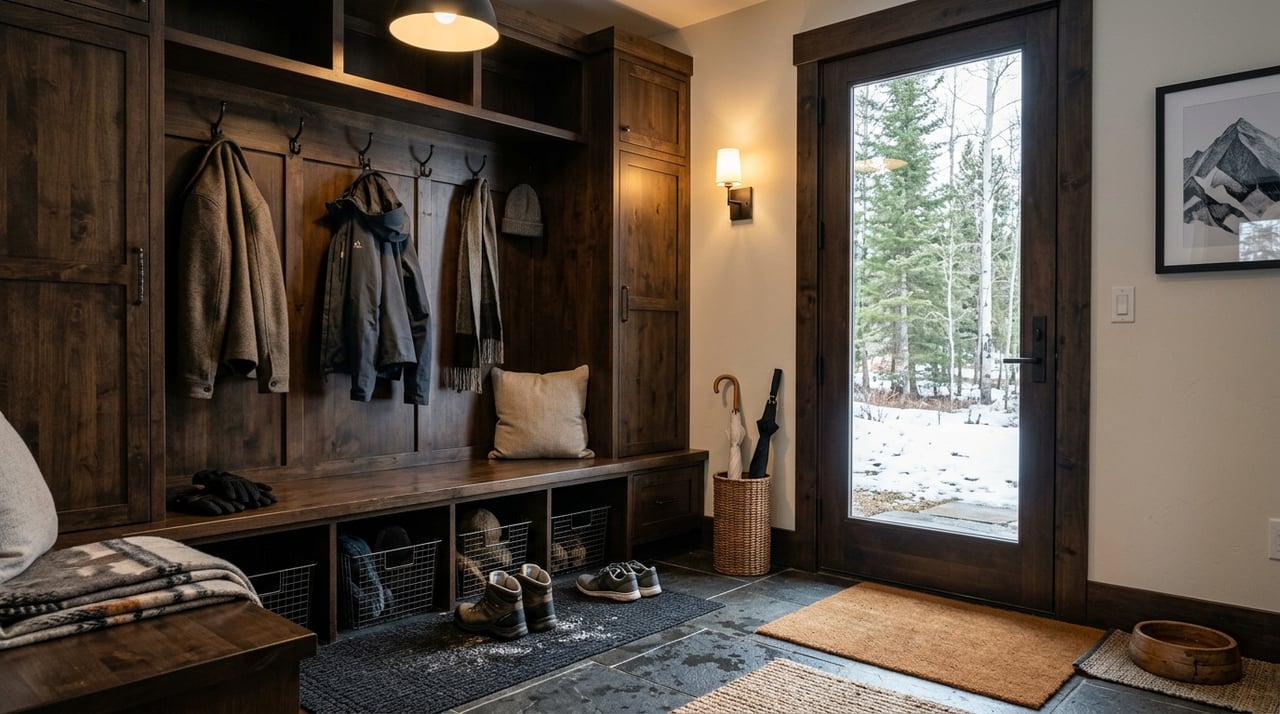
Luxury buyers often discover a property online before they ever schedule a showing. That makes your visual presentation one of the most important parts of the entire sales plan.
According to the NAR 2025 Profile of Home Staging, 83% of buyers’ agents said staging makes it easier for a buyer to visualize a home as a future residence. The same report found that 73% rated photos as more important, 57% said the same for physical staging, 48% for video, and 43% for virtual tours.
That matters in South Lake Tahoe, where many luxury buyers may be shopping remotely or narrowing choices online before visiting in person. A polished, gallery-first launch can help your home compete for attention from the start.
Rooms to prioritize first
The same NAR research found that the most commonly staged rooms were:
- Living room
- Primary bedroom
- Dining room
If you are deciding where to invest first, start there. Those spaces often carry the emotional story of the home and anchor the rest of the marketing package.
Step 7: Launch With a Complete Story
A luxury listing should not feel incomplete on day one. Buyers notice when photos are limited, details are vague, or key documents are missing.
Your launch should tell a complete story about the property, including its setting, design, lifestyle use, and practical facts. For some homes, that may mean emphasizing indoor-outdoor living, mountain-modern design, or turn-key condition. For others, it may mean carefully presenting shoreline rights, scenic considerations, or past vacation use in a clear, factual way.
In this market, complete preparation supports stronger first impressions. It can also help reduce the back-and-forth that often slows luxury transactions.
Step 8: Be Ready for Negotiation
With homes taking longer to sell and buyers having more leverage, negotiation matters. You should expect thoughtful questions, detailed diligence, and requests tied to condition, disclosures, or timing.
A strong response starts before the first offer arrives. When your pricing is defensible, your disclosures are organized, and your presentation is polished, you are in a much better position to negotiate from strength instead of reacting under pressure.
This is especially true for complex properties such as lakefront homes, second homes with seasonal use patterns, or homes connected to vacation rental activity. Buyers are not just buying square footage. They are evaluating risk, utility, and long-term value.
Step 9: Keep Escrow Moving
Once you accept an offer, momentum still matters. The final stage of a luxury sale often depends on how smoothly you handle buyer questions, document requests, inspections, and compliance items.
In South Lake Tahoe, common friction points can include fire-zone disclosures, defensible-space documentation, shoreline or mooring records, and vacation rental permit questions when applicable. The more of that work you complete before launch, the fewer surprises you are likely to face later.
A well-managed escrow feels calm, organized, and predictable. That is often the result of careful pre-listing work, not luck.
Why the Right Playbook Matters
Selling a luxury home in South Lake Tahoe is rarely a simple list-it-and-wait process. In a buyer-leaning market, success often comes down to disciplined pricing, standout presentation, and proactive handling of Tahoe-specific details.
If you want to sell with more confidence, your best advantage is a plan built around how this market actually works today. For tailored guidance, private strategy, and concierge-level representation, connect with Gregory Ochoa.
FAQs
When is the best time to list a luxury home in South Lake Tahoe?
- Realtor.com’s 2026 Best Time to Sell report identifies April 12 to 18, 2026 as the best week nationally to list, and notes that sellers in the West may benefit more from early spring timing.
What matters most when marketing a South Lake Tahoe luxury home?
- The strongest data points to high-quality photos, staging, video, and virtual tours, with the living room, primary bedroom, and dining room being especially important to stage well, according to the NAR 2025 Profile of Home Staging.
What wildfire items should sellers prepare for a South Lake Tahoe home sale?
- Sellers may need hazard-zone disclosures and, in certain fire hazard severity zones, documentation showing compliance with local defensible-space requirements before close of escrow, based on California law and South Lake Tahoe Fire Rescue guidance.
How do vacation rental rules affect selling a South Lake Tahoe property?
- If the home has a vacation rental history, South Lake Tahoe’s 2025 VHR ordinance says permits are nontransferable, expire annually, and require a new initial application after a change of ownership.
Why do shoreline and mooring details matter for a South Lake Tahoe lakefront home?
- For lakefront properties, TRPA shoreline rules say existing moorings require registration and annual permitting, while new piers and moorings follow separate allocation processes, which can affect buyer diligence and perceived value.