If you are drawn to Glenbrook’s quiet coves and historic charm, you will find a market that behaves unlike anywhere else at Lake Tahoe. Inventory is scarce, price points swing widely, and lifestyle amenities like pier access and club proximity can shift value in big ways. In this guide, you will learn how cottages, true lakefronts, and golf‑adjacent estates perform, what “club life” actually includes, and which permits and due diligence steps matter most. Let’s dive in.
Why Glenbrook is different
Glenbrook is a small, historic community on Tahoe’s east shore in Douglas County, Nevada, about 10 miles south of Incline Village and 12 miles north of South Lake Tahoe. The built area is compact, mostly near the shoreline, which means very few homes trade in any given month. Public portals often show different medians because a single lakefront sale can swing the data. For example, as of early 2026, portals reported medians ranging from the low‑to‑mid millions with wide days on market due to the mix of cottages and ultra‑rare compounds. Always anchor decisions to current, property‑specific comps rather than a single headline number.
Cottages and historic homes
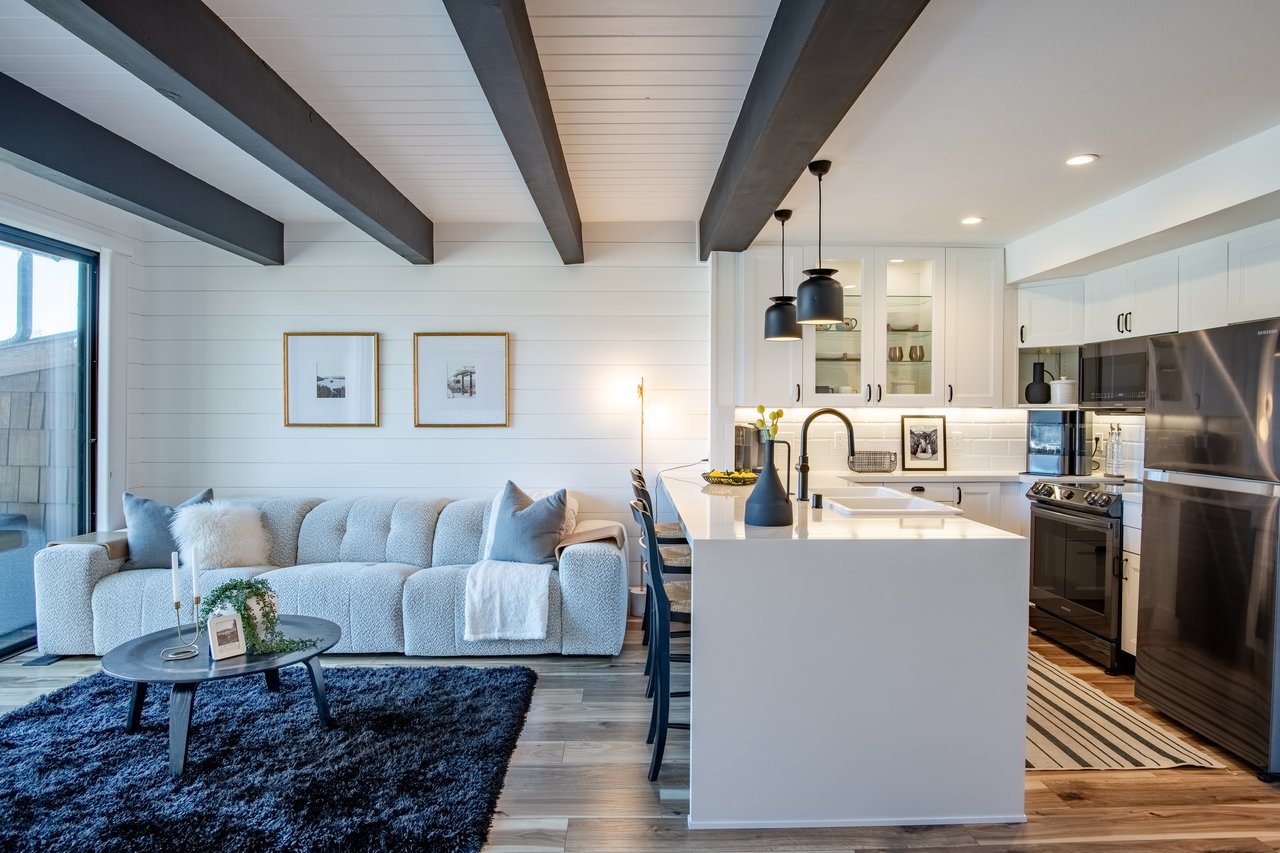
Cottages are Glenbrook’s most common property type and capture that “Old Tahoe” feel with smaller footprints and rustic or Craftsman character. Turnover is more frequent here than on the shoreline, so cottages tend to drive most monthly sales activity. Prices sit at the lower end of the Glenbrook spectrum relative to lakefronts, with condition, utilities, and proximity to club amenities shaping value. If you plan to renovate or expand, expect to review older systems and confirm coverage and permitting before you commit to a scope.
What to watch with cottages
- Systems and structure. Budget for plumbing, heating, and roof updates consistent with mountain climate.
- Utilities. Septic versus sewer can influence both cost and future plans.
- Coverage and approvals. If you are contemplating expansion, consult local rules early to avoid surprises.
Lakefront homes and compounds
True lakefront properties are Glenbrook’s rarest assets. Value is driven by littoral access and existing infrastructure like a deeded pier, buoy rights, or shared harbor facilities. Supply is extremely limited and ownership periods are long, so pricing can range from mid‑single‑digit millions into the ultra‑luxury tier depending on scale and shoreline rights. When a top‑tier lakefront arrives, it attracts regional and national interest.
TRPA shoreline rules that affect value
- Start with the Shoreline Plan. The Tahoe Regional Planning Agency created a capped, phased system for allocating new private piers and additional moorings. Review the program on the TRPA Shoreline Plan page.
- Verify what already exists. Use TRPA’s parcel and marine registration tools to check if moorings or a pier are registered to a property and whether annual fees are current. A sample registration record shows typical entries and fees in the TRPA mooring tracker.
- Understand that allocations are not approvals. Even if a lottery grants an allocation, final permits require full compliance and multi‑agency coordination.
Golf‑adjacent and clubhouse estates
Many homes cluster around the Glenbrook Club’s historic nine‑hole course, offering golf‑cart convenience to dining and social spaces. Buyers here prioritize privacy, ready access to amenities, and community stewardship. Premiums often reflect immediate proximity to the course and membership considerations. For a quick overview of the course and facilities, see the Glenbrook Club listing page.
Membership is separate from ownership
Owning in Glenbrook does not automatically include club membership. Membership typically involves a separate financial and approval process, so always confirm the current terms directly with the club before assuming access.
Large meadow and ranch parcels
Multi‑acre meadows and ranch‑style compounds are trophy‑level holdings that almost never trade. Buyers pay for privacy, scale, and a whole program of uses such as equestrian facilities or dedicated entertainment spaces. Because these listings are so rare, a single offering can reset pricing anchors and distort neighborhood median figures for months.
What “club life” includes
Glenbrook’s private‑club culture is a major part of the lifestyle. In addition to the nine‑hole course and seasonal dining, residents often highlight private sandy beaches, a community pier and boat valet, buoy fields and storage, plus walking and biking paths. Within gated enclaves, you will also see a high level of privacy and community oversight. These shared amenities contribute meaningfully to value, especially for buyers planning frequent summer use.
Permits and due diligence that matter
TRPA shoreline plan, piers, and moorings
The 2018 Shoreline Plan governs new private piers and moorings across Lake Tahoe. It lifted a long moratorium and created capped allocations released through lotteries. Review current rules and allocations via the TRPA Shoreline Plan. Existing, registered piers and buoys typically command a premium because replacement or new approvals are not guaranteed.
State leases and multi‑agency approvals
Shoreline projects often require coordination with TRPA plus Nevada Division of State Lands and Douglas County. The plan’s development and review history is summarized in regional coverage such as the Tahoe Daily Tribune’s shoreline update. Your team should verify whether a pier or buoy sits under a current state lease and confirm all permits.
Short‑term rentals in Douglas County
Short‑term rental permissions depend on county approval and any HOA rules. Douglas County administers Vacation Home Rental permits, including tiering and conditions that have affected some Glenbrook addresses. Before you underwrite income, review the county program and recent actions in the Douglas County VHR overview.
HOA rules, easements, and title
Sub‑associations and recorded easements vary. Do not rely on marketing remarks alone to confirm pier rights, deeded buoys, beach access, or rental limits. Request and review CC&Rs, club membership documents, any shoreline easements, and a current title report before removing contingencies.
Wildfire, operations, and insurance
Glenbrook is served by the Tahoe‑Douglas Fire Protection District, which maintains a local presence and fuels‑reduction programs. Learn more from the Tahoe‑Douglas Fire Protection District. For lakefronts, budget for pier and buoy registration, mitigation fees, and maintenance consistent with mountain weather. TRPA’s registration tools document typical annual invoices for registered moorings in the TRPA mooring tracker.
Buyer profile and demand signals
Affluent second‑home buyers and high‑net‑worth relocators target Glenbrook for privacy, direct lake access, and Nevada residency benefits. Nevada’s business climate and lack of personal income tax are part of many buyers’ long‑term planning, especially for those moving from California; see the state’s overview at GOED Nevada. Interest often spikes when a rare lakefront or ranch listing hits the market or when TRPA pier and mooring allocations are announced.
Timing and negotiation
- Well‑priced, turnkey cottages can move quickly when matched to the right buyer.
- Trophy lakefronts and meadows demand patience on both sides; marketing periods are longer and due diligence is deeper.
- For any waterfront or club‑proximate property, confirm recorded shoreline rights, registrations, state leases, and membership terms early in the process.
How to compare value across segments
Use these drivers to calibrate pricing across cottages, lakefronts, and club‑adjacent estates:
- Shoreline access. Existing pier, number of buoys, boatlift, and proximity to a community pier or harbor.
- View and orientation. Unobstructed lake and mountain vistas usually carry a premium.
- Scale and privacy. Acreage, compound potential, and set‑backs within gated enclaves.
- Club adjacency. Immediate golf‑cart access, walkability to dining, and club membership terms.
- Condition and modernization. Renovations, energy systems suited to altitude, and low‑maintenance finishes.
- Utilities and approvals. Sewer versus septic, coverage allowances, and any recorded easements.
- Operating profile. Insurance, defensible‑space work, and shoreline maintenance and registration fees.
Your next step
If Glenbrook is on your shortlist, a precise plan will help you act with confidence when the right home appears. Pair lifestyle goals with a valuation‑first strategy, confirm shoreline rights and club options, and be ready to move quickly on cottages while taking a longer view on trophy shoreline assets. For confidential guidance and an appraisal‑informed strategy tailored to you, Book a Private Consultation with Gregory Ochoa.
FAQs
How is Glenbrook’s market different from other Tahoe areas?
- Glenbrook is a small, historic community on Tahoe’s east shore with very limited inventory, so single high‑value lakefront sales can skew median prices and days on market. See basic context on Glenbrook’s location.
How much more do lakefronts cost than cottages in Glenbrook?
- There is no single multiplier. Premiums depend on deeded lake rights, pier and buoy count, view, and scale, with lakefronts often trading at multiples of inland cottages.
Can I build a new pier or add moorings to a Glenbrook lakefront?
- New private piers and additional moorings are capped and allocated through TRPA’s phased process and lotteries. Even with an allocation, full permits are required; start with the TRPA Shoreline Plan.
Do Glenbrook homeowners automatically receive club membership?
- Not necessarily. Ownership and membership are separate, and club access typically requires a separate application and fees; confirm current terms directly with the club.
Are short‑term rentals allowed in Glenbrook?
- Short‑term rentals depend on Douglas County VHR permits and any HOA rules. Review county guidance and recent actions in the Douglas County VHR overview.
How does wildfire risk affect ownership costs in Glenbrook?
- Expect ongoing defensible‑space work and insurance considerations. The local Tahoe‑Douglas Fire Protection District provides services and seasonal fuels‑reduction programs that support community mitigation.