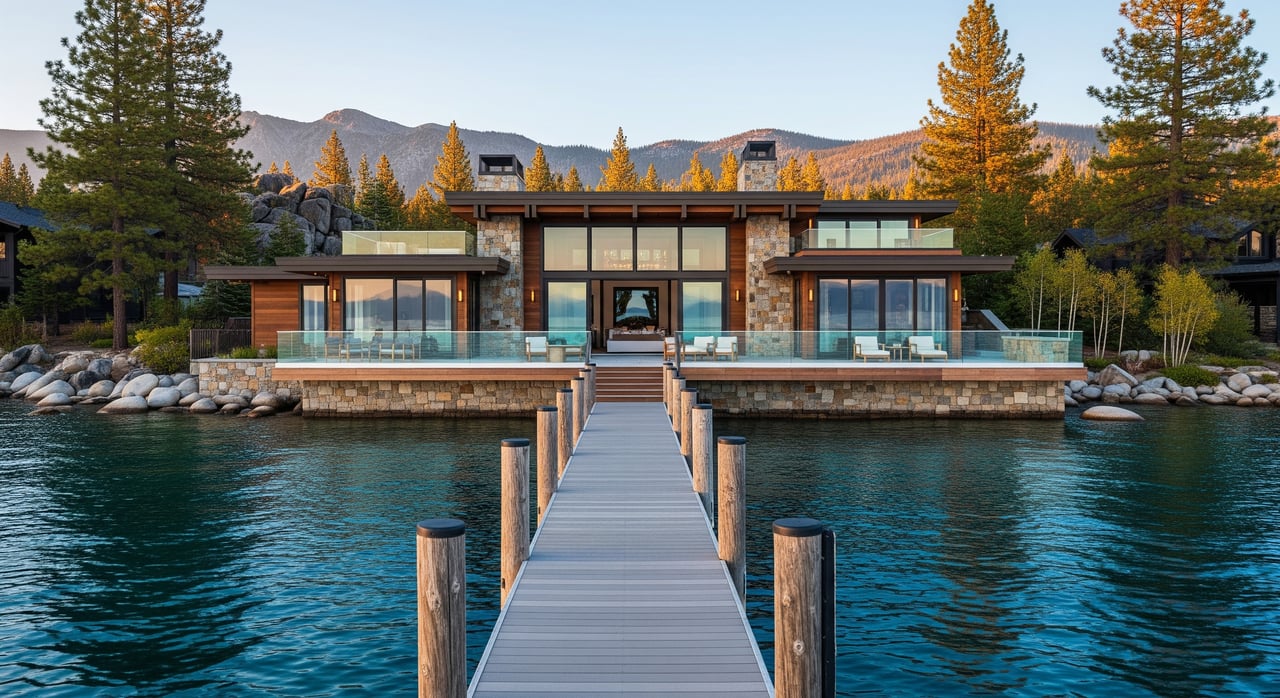
Listing your Meeks Bay home at the wrong time can cost you attention and leverage. If you are planning a sale in the next year or two, the calendar matters as much as your price and presentation. You want to meet buyers when they are most active, most inspired, and most ready to compete. This guide shows you how timing works in 96150, what to prepare for lakefront versus upland properties, and how to plan a 12 to 24 month runway for a smooth, high‑confidence sale. Let’s dive in.
Why timing matters in Meeks Bay
Buyer activity on Lake Tahoe’s West Shore is seasonal. Interest typically builds in spring and peaks through late spring and summer when road access is clear and buyers want a place for boating and beach season. There is also a smaller window in late fall and early winter when ski‑oriented buyers are active. In Meeks Bay and the surrounding 96150 area, timing your launch around these cycles can improve exposure, shorten days on market, and bolster negotiation power.
Your buyer pool often comes from Northern California, the Sacramento region, and Reno. Many of these buyers plan weekend visits, so they shop more seriously in seasons with easy travel and open water. Inventory is limited, especially for true lakefront homes, which increases the impact of a well‑timed debut.
The peak listing window
For most Meeks Bay properties, late April through June is the prime public launch period. Listing then captures buyers who want to take possession before summer, and it shows your outdoor spaces, shoreline, and views at their best. This is especially valuable for waterfront and lifestyle‑driven homes where summer use is a major motivator.
If your home is turnkey, aim to have photography, disclosures, and staging done by March so you can hit the market in late spring. If you need permitting, mitigation, or repairs, plan backward so the work is complete before you launch.
Off‑season opportunities
High‑end properties can still sell in fall and winter, but buyer volume is smaller. An off‑season strategy works best when you emphasize privacy, ski access or winter recreation, and turnkey readiness. Strong summer visuals, including drone and lifestyle video captured earlier in the year, help buyers picture the property in peak season even if they tour in snow.
Timing by property type
Lakefront estates and homes
- Best window: April to June for maximum summer‑use demand.
- What buyers value: verified pier or dock permits, shoreline condition, privacy, and immediate usability.
- Prep priorities: confirm pier and shoreline permits, easements, and any past remediation. Gather historical correspondence and surveys so you can answer questions quickly.
- Off‑season approach: use high‑quality summer media and private outreach to qualified buyers. Expect longer lead times for due diligence.
Upland and forested homes
- Best window: spring and summer still perform well, but these properties can sell year‑round.
- What buyers value: privacy, land, views, and functional access.
- Prep priorities: complete defensible space work and show clear drive access. If the property relies on septic, inspect early and prepare records.
Historic cabins and smaller cottages
- Best window: summer attracts buyers who want an immediate getaway.
- What buyers value: turnkey condition and manageable maintenance.
- Prep priorities: tidy exterior spaces, simplify systems for easy ownership, and stage for a welcoming, lock‑and‑leave feel.
Multi‑acre and legacy estates
- Best window: spring and summer for broad exposure, layered with targeted outreach to qualified buyers.
- What buyers value: privacy, guest accommodations, amenities, and a clear path to closing for complex ownership structures.
- Prep priorities: expect a longer runway. Coordinate with attorneys and accountants, produce premium marketing assets, and schedule broker previews in feeder markets ahead of launch.
Regulatory and risk factors that affect timing
Your timing plan should account for permits, environmental items, and insurance. Addressing these before you list builds buyer confidence and protects your timeline.
TRPA and shoreline permits
If your property includes lake access, confirm the status of pier or dock permits and any shoreline improvements. Unresolved issues can slow escrows or impact financing. Bring all correspondence and approvals current before you launch.
Water, septic and erosion
Shoreline stability, erosion control, and septic systems matter to buyers and lenders. Many buyers request septic inspections and maintenance histories. If you have a leach field or a recent repair, organize those records for early disclosure.
Wildfire and insurance
West Shore properties sit in elevated wildfire risk zones. Buyers will ask about defensible space work and insurability. Show receipts for fuels reduction, recent inspections, and your insurance history. Insurance markets have been volatile in California, so being prepared with clear documentation and referrals can ease buyer concerns.
Taxes, assessments and conservation items
Confirm El Dorado County transfer taxes, any special assessments, and whether conservation easements or historic restrictions apply. These items affect valuation and use, and early clarity avoids surprises in escrow.
A 12 to 24 month seller timeline
You can compress or expand this plan based on your property and goals. Luxury and legacy homes often benefit from more lead time.
Months 0 to 3: Assess and assemble
- Get a valuation: request an appraisal‑informed broker opinion of value specific to 96150 and West Shore micro‑markets.
- Audit documents: gather deeds, surveys, easements, pier and shoreline permits, septic records, insurance history, and any TRPA correspondence.
- Engage specialists: line up a TRPA consultant, shoreline engineer, septic inspector, wildfire mitigation contractor, and a luxury photographer and videographer.
Months 3 to 9: Prepare and permit
- Resolve open items: work through permits, repairs, shoreline issues, and any remediation. These can take months, so start early.
- Optimize setting: refresh landscaping, service the pier or beach areas for lakefront, and complete defensible space for upland and estate parcels.
- Capture visuals: schedule photo, video, and drone during late spring or summer. Use these assets even if you list off‑season.
Months 6 to 12: Time the market
- Target launch: late April to June for maximum buyer traffic and summer‑use urgency.
- Pre‑market exposure: coordinate discreet broker previews and private outreach in San Francisco and Sacramento feeder markets.
- Final checks: complete disclosures, pre‑listing inspections, and any staging well before launch.
Fall and winter strategy: If you list off‑season
- Focus the message: highlight ski‑season access, privacy, and turnkey ease.
- Show summer lifestyle: lead with the summer media you captured earlier.
- Target the audience: prioritize private networks and qualified luxury channels over mass marketing.
Pricing, marketing and negotiation for luxury listings
Pricing with transparency
Price for both scarcity and condition. True lakefront is limited, and documented pier rights and clean shoreline permits are valuable. If you have known issues, disclose them early and consider pre‑listing inspections for septic, structure, pier, and wildfire mitigation. This reduces friction and supports stronger terms.
Visual‑first marketing
Use seasonal imagery that sells the lifestyle. Drone, twilight, and on‑water footage help buyers feel the setting. Curate distribution to regional luxury networks, targeted broker relationships, and high‑quality digital platforms that reach Bay Area, Sacramento, and Reno buyers who may be shopping remotely.
Negotiation readiness
Buyers will ask detailed questions about pier rights, moorings, shoreline agreements, and development potential. Have your documentation organized and ready to share. If the property is held in a trust or involves multiple parties, coordinate with your title company and estate attorney early so you can close on schedule.
Financing and qualification
Many luxury buyers use cash, portfolio loans, or jumbo financing. Expect lender diligence for lakefront features. Anticipate the inspections and provide materials up front to shorten the path from contract to close.
Quick checklists
Specialist team to engage
- Local luxury listing broker with West Shore experience
- TRPA consultant or environmental planner
- Dock, pier and shoreline engineer
- Septic inspector and civil engineer as needed
- Wildfire mitigation contractor or forester
- Tahoe‑experienced title and escrow team
- Tax and estate attorney, plus CPA if applicable
Documents to gather
- Current deed, survey, legal description, and easements
- Pier or dock permits and related TRPA records
- Septic inspection, maintenance, and repair history
- Insurance history and any claims
- Recent appraisals or broker opinions of value
- Records of capital improvements and maintenance
- HOA or community rules, marina or mooring agreements, and fees
Putting it all together
If you want maximum exposure and the strongest buyer pool, plan to launch your Meeks Bay listing in late spring. Use the months before to clear permits, complete defensible space, and capture summer visuals that showcase the lifestyle. For legacy or complex properties, give yourself a longer runway so you can present a complete, confident package to qualified buyers. The result is a smoother process, fewer surprises, and better leverage when the right offer arrives.
When you are ready to map your timing and strategy for 96150, schedule a private conversation with Gregory Ochoa. You will get appraisal‑informed pricing guidance, a tailored calendar, and a discreet plan to bring your home to market with confidence.
FAQs
When is the best month to list in Meeks Bay?
- Late April through June typically captures the largest buyer pool and the strongest summer‑use demand, which can improve exposure and competition.
Does a lakefront home need summer photos if I list in winter?
- Yes, summer visuals help buyers picture shoreline use and boating even during snow season, which can increase engagement and showings.
What should I confirm before listing a home with a pier?
- Verify pier or dock permits, shoreline easements, and any TRPA correspondence, and have surveys or historical records ready for buyer review and lender questions.
How far in advance should I start prep for a luxury estate?
- Plan 3 to 6 months at minimum, longer if you need permits or remediation, so your disclosures, visuals, and negotiations are clean and timely.
Will wildfire risk affect my sale timeline?
- It can. Completing defensible space work and organizing insurance history and mitigation receipts early can ease underwriting concerns and protect your closing schedule.
Can upland or forested properties sell outside of summer?
- Yes. These homes can perform year‑round, but spring and summer still offer better access for inspections and a broader buyer audience.