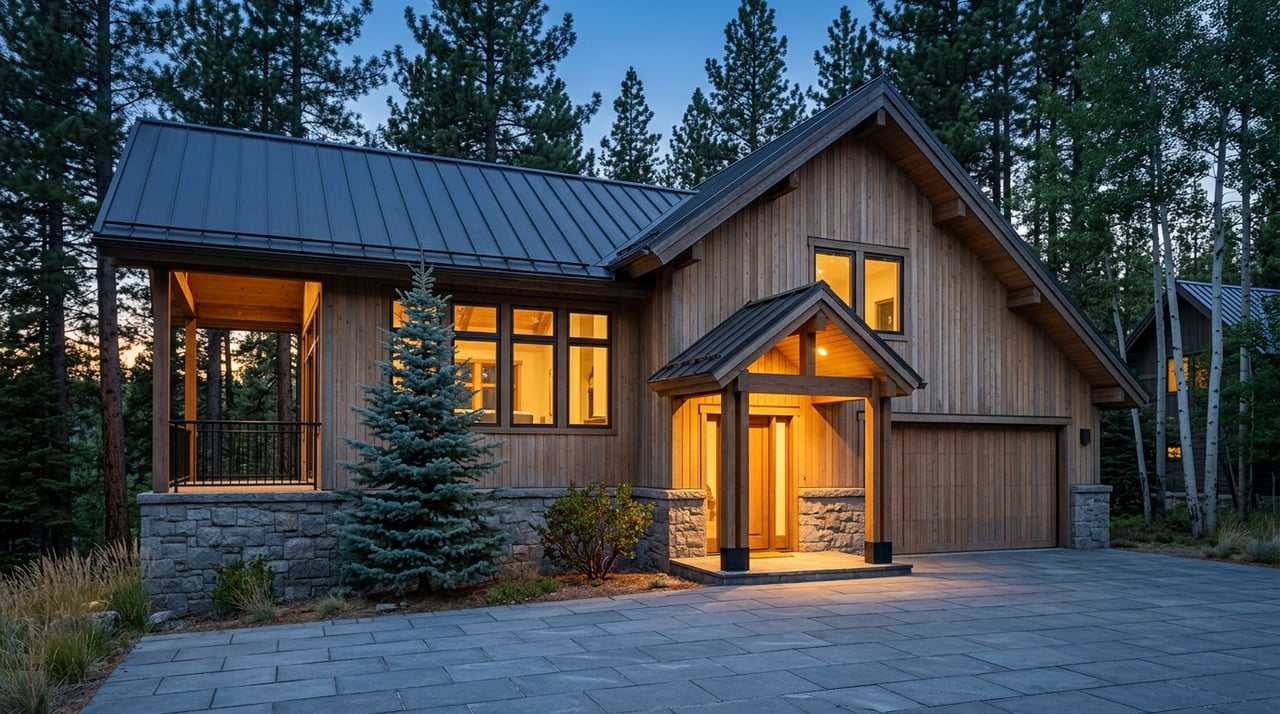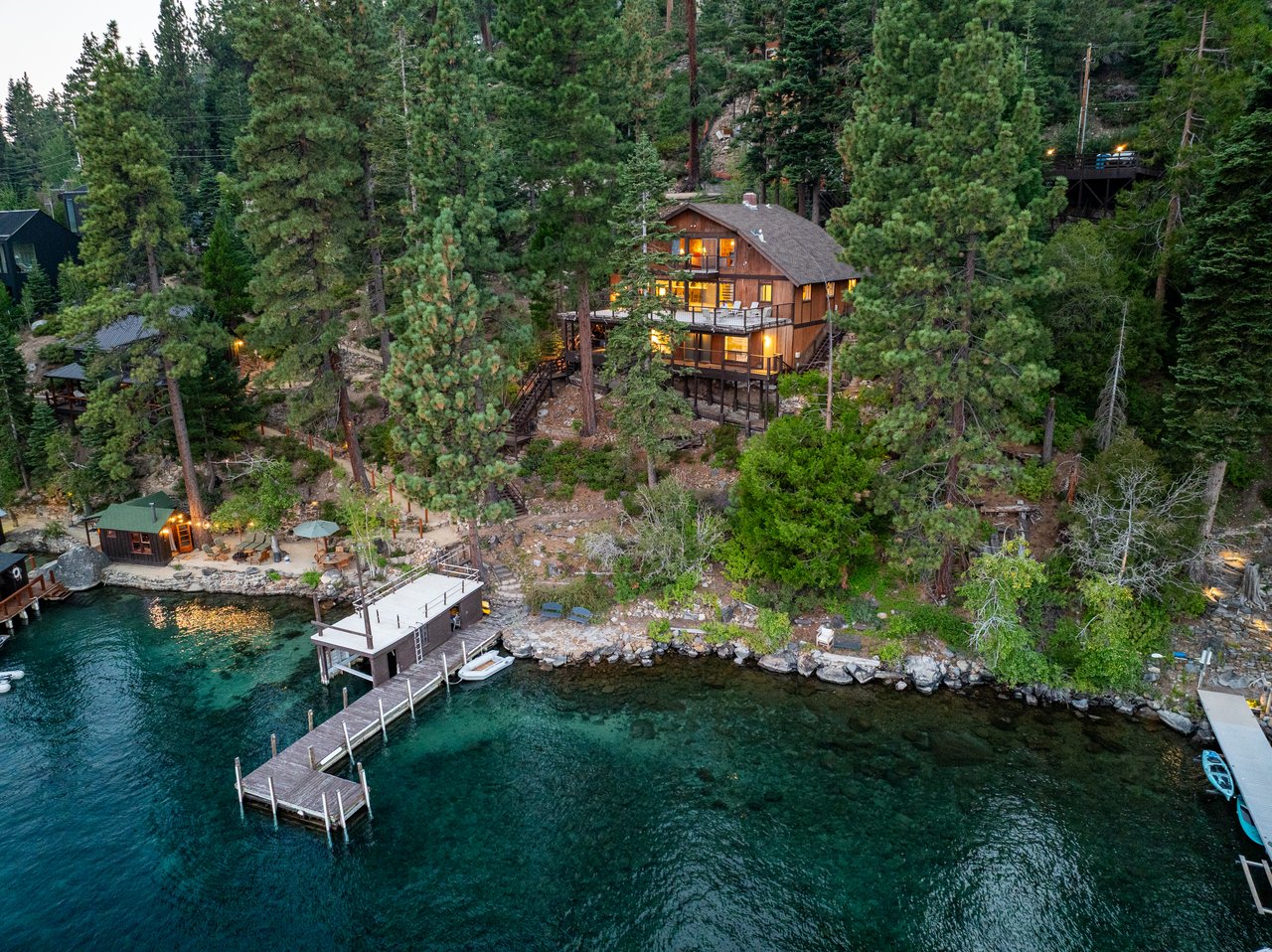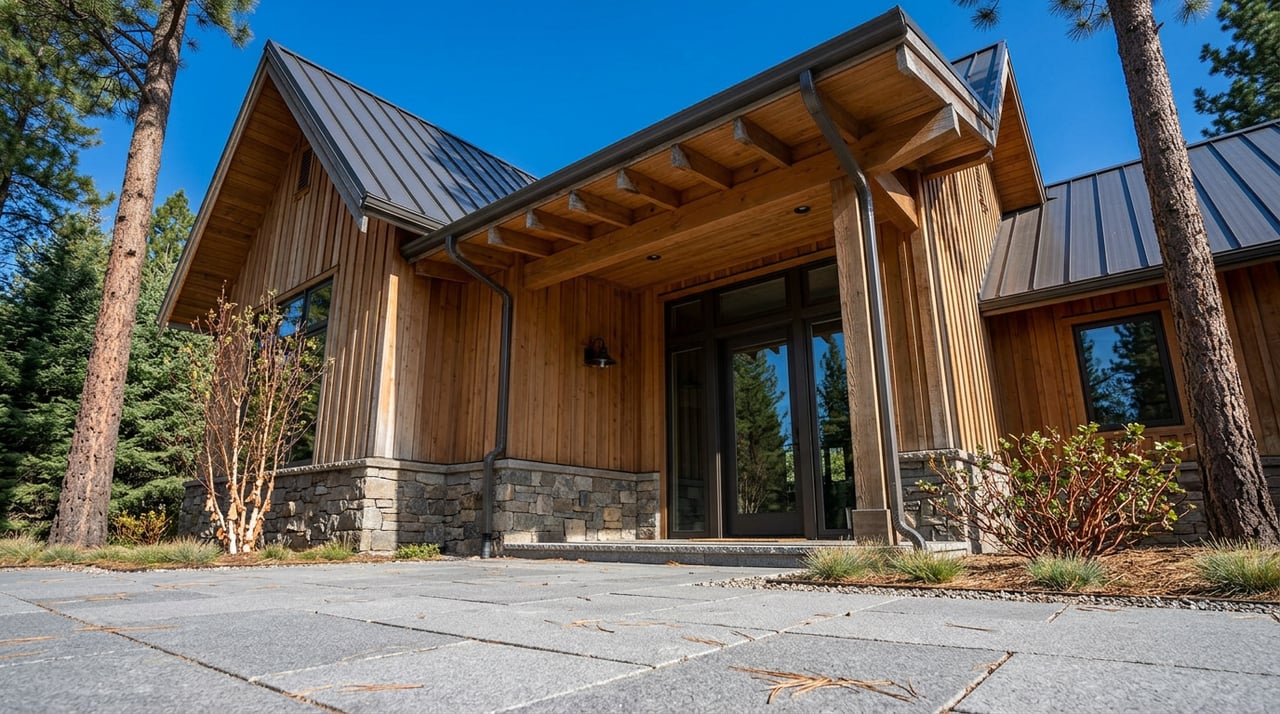
Thinking about adding a deck, expanding a driveway, or reworking your footprint in Meeks Bay? If your parcel is scored under IPES, the rules for land coverage can feel complex. You want to improve your home without risking delays or denials. In this guide, you will learn how IPES works in Meeks Bay, what truly controls allowable coverage, and smart tactics to unlock room for your remodel. Let’s dive in.
IPES in Meeks Bay, in plain English
IPES is TRPA’s Individual Parcel Evaluation System that ranks vacant residential parcels and helps determine base allowable land coverage. While the score uses several factors, your base coverage comes from only two elements that relate to erosion hazard and runoff potential. In El Dorado County, most parcels with IPES scores greater than zero are eligible to apply for an allocation, but eligibility and available coverage are different things you must confirm during review. You can read how TRPA applies IPES and coverage rules in the agency’s guidance on permitting and land capability.
- Learn more about IPES and permitting in TRPA’s FAQs: TRPA Frequently Asked Questions
What actually determines your coverage
TRPA records three key items for each IPES parcel: the IPES building site area, the base allowable coverage in square feet, and the base allowable percent. Two parcels with the same total IPES score can have different allowable percentages because the soil and runoff factors drive the outcome. The public Parcel Tracker shows wide variability across IPES parcels, sometimes as low as 1 percent and up to the mid-20s depending on site conditions. You can view an example record and then search your own APN to see official data.
- Check official parcel data here: LakeTahoeInfo Parcel Tracker
Sensitive areas still control the plan
Stream Environment Zones and the Bailey capability system are still the primary constraints on development. Coverage allowances range by capability class from 1 percent on the most sensitive lands up to 30 percent on higher capability classes. A site assessment will verify your parcel’s mapped capabilities and how they affect usable coverage. Review TRPA’s land coverage page for the Bailey table and how exemptions work.
- See land coverage rules and Bailey table: TRPA Land Coverage
Meeks Bay project context to know
Meeks Bay is the focus of ongoing restoration and planning work that can influence local parcel conditions. Changes related to marina removal, creek and lagoon restoration, and circulation can result in recorded deed restrictions or parcel reconfiguration in the project area. If your property sits near these improvements, verify any recorded notes before you design. TRPA’s Meeks Bay Restoration Project page provides current context.
- Read the restoration overview: Meeks Bay Restoration Project
Strategies to maximize coverage during a remodel
Verify your baseline first
Start with the Parcel Tracker to confirm your IPES score, base allowable coverage, existing verified coverage, and any parcel notes like deed restrictions. If anything is unclear, request a site assessment and discuss your concept at a pre-application meeting. El Dorado County is an MOU partner that can process many TRPA verifications and permits, which can streamline early steps.
- County processing update: El Dorado County processing more TRPA permits
Install BMPs to unlock exemptions
TRPA encourages water quality Best Management Practices. When you install and certify BMPs, some residential improvements can qualify for land coverage exemptions or credits that make modest additions possible. Remodel projects often trigger BMP requirements, so plan for them early to gain these benefits and keep your review moving.
- Why BMPs matter for remodels: Planning a Remodel Gets Easier and Helps Save the Lake
Reclaim or relocate existing coverage
If you are at your limit, look for older coverage in sensitive spots that you can remove and restore. TRPA allows you to verify, remove, and bank legally existing coverage, then reuse it within the rules or transfer it. You can also relocate coverage on the same parcel, such as moving a driveway to a lower sensitivity area to free capacity near the home site. These steps require TRPA or county verification.
- Banking and transfers context: Thresholds Evaluation summary
Buy or mitigate for extra coverage
If removal or relocation does not meet your needs, you may purchase coverage or pay excess coverage mitigation fees. Costs depend on the hydrologic area, the amount of new coverage, and your project scope. TRPA provides a worksheet to estimate potential fees, and the development rights program explains transfers and conversions.
- Estimate fees: Excess Coverage Mitigation Worksheet
- Learn about transfers: TRPA Development Rights
Plan for larger lots or multiple APNs
If your parcel is larger than one third of an acre, you can apply for a determination that considers the entire lot and may increase recorded allowable coverage when conditions are similar across the site. In some situations, lot line adjustments or treating contiguous lots as if consolidated have changed how coverage is allocated, subject to TRPA and county review. Ask for parcel-level guidance during your pre-application meeting.
Permits, fees, and realistic timelines
Many remodels that create, move, or increase coverage require a TRPA permit, and common reviews fall into exempt, qualified exempt, minor, or standard levels. A site assessment is often the first step because it confirms capability and existing verified coverage. TRPA targets decisions on complete applications within 120 days, with minor projects commonly faster, but timing depends on workload and completeness. Budget for filing fees, water quality mitigation, mobility mitigation if applicable, and any excess coverage mitigation or offsite coverage costs.
- Permit levels and process: TRPA Frequently Asked Questions
- Current filing fees: TRPA Filing Fee Schedule
Quick-start checklist for Meeks Bay owners
- Check your APN in the Parcel Tracker and save your IPES score, base allowable coverage, existing verified coverage, and any notes.
- Book a pre-application call with El Dorado County or TRPA, and request a site assessment if your remodel will alter coverage.
- Get a site survey and a BMP plan so you can use exemptions where possible and avoid surprises.
- Compare options: BMP certification plus a small addition, coverage removal and banking, relocation, purchase or transfer of coverage, or paying mitigation fees.
- If your parcel is larger than one third of an acre, ask about an alternative building-site evaluation or a determination of allowable coverage.
Ready to turn a complex set of rules into a smooth, value-protecting remodel? For discreet, technically informed guidance on your Meeks Bay property, connect with Gregory Ochoa for a tailored plan and trusted local resources.
FAQs
Do I need a TRPA permit to remodel in Meeks Bay?
- You likely do if your work creates, relocates, or increases land coverage; review permit levels and confirm with planning using the TRPA FAQs.
How do I find my IPES score and base allowable coverage?
- Use the public Parcel Tracker to view your official IPES data, base allowable coverage, and existing verified coverage: LakeTahoeInfo Parcel Tracker.
What if I am already at my maximum coverage?
- Consider verifying existing coverage, installing and certifying BMPs for exemptions, relocating or removing older coverage to bank capacity, or using transfers and mitigation fees to proceed.
Why are BMPs important for a remodel on an IPES parcel?
- A BMP completion certificate can make certain improvements eligible for coverage exemptions or credits, which can enable modest additions while protecting lake water quality.
Can I buy coverage instead of removing old hardscape?
- Yes, TRPA allows coverage purchases and transfers, or you can pay excess coverage mitigation fees; costs vary by hydrologic area and project size and are estimated with TRPA’s worksheet.