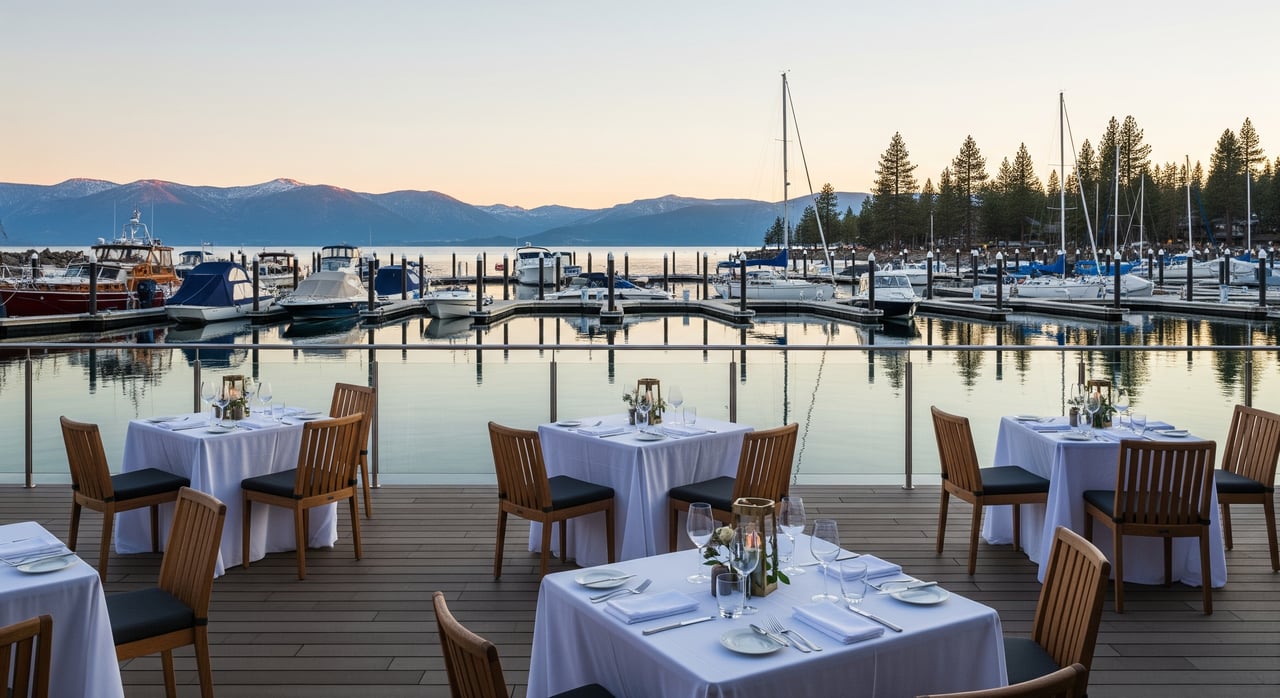
Imagine tying up for lunch after a sunny morning on the lake and being back on the water before the ice melts in your glass. If you are weighing a Tahoe City home for its boating lifestyle, you want clarity on where to launch, fuel, dock for dinner, and how the seasons affect your routine. In this guide you will learn what to expect from local marinas, boat-to-dock dining, ownership alternatives, and the planning steps that help your purchase go smoothly. Let’s dive in.
Boating season in Tahoe City
When marinas buzz
Lake Tahoe’s boating season is seasonal, with peak activity from late May through September. July and August bring the highest demand for slips, fuel docks, and restaurant tie-ups. Tahoe City sits on the north shore near the Truckee River outlet, so you have quick access to marinas, public beaches, and dining within a short boat ride.
Shoulder season expectations
In winter and spring, boating access is limited and some services shift to reduced hours. Plan ahead for shorter operation windows, fewer transient slips, and limited fuel availability. If you buy with year-round use in mind, consider how winter access, snow removal, and road conditions will affect your routine.
Where to launch and dock
Public launch and day use
Public boat launches near Commons Beach support trailered boats and day use. This is a practical option if you plan to store your boat offsite or boat occasionally. Confirm trailer parking rules and any seasonal limits before you plan a busy holiday weekend.
Marinas and slip options
Public marinas and docks in and around Tahoe City offer permanent slip rentals and seasonal transient space. Slip sizes, electrical service, water, and security vary by facility, so verify details with each operator. High-demand marinas often have waitlists that can run from months to years, especially for larger slips.
Private docks, HOAs, and moorings
Some neighborhoods and lakefront homes have private or HOA-managed docks and mooring buoys. Rules can limit guest use, require insurance, and define maintenance duties. Mooring buoys can be a lower-cost alternative, but availability is limited and often seasonal.
Key questions to ask a marina or HOA
- What slip types are available and what are the max length and beam?
- What is the depth at low water and the electrical amp service on the dock?
- Are there winterization and haul-out options on site or nearby?
- What is the current waitlist length for annual slips or moorings?
- What are transient rates, reservation policies, and guest rules in peak season?
- What insurance is required and what security and lighting are provided?
- How is trailer parking handled during busy periods?
Fuel, maintenance, and essential services
Fuel docks and pump-out
Not every marina has a fuel dock. Before a big day, verify where gasoline or diesel is available, the hours, and any payment requirements. If you plan longer cruises or spend full days aboard, confirm pump-out services and local sewage-disposal rules.
Winterization and storage
Haul-out, winterization, and storage services are common needs in Tahoe’s climate. Ask about on-land or covered storage, mechanical repair capabilities, and haul equipment. If a marina lacks full service, confirm nearby yards or mobile technicians.
AIS inspections and Clean-Drain-Dry
Lake Tahoe actively prevents aquatic invasive species. If you trailer a boat from other waters, you may need inspection before launching. Follow Clean-Drain-Dry practices and check local inspection station schedules during peak season.
Dining by boat in Tahoe City
How boat-to-table works
Several long-standing waterfront restaurants near Tahoe City accommodate boat arrivals in season. Some have private docks, piers, or guest moorings for daytime use. Availability and policies vary, so call ahead to confirm hours, tie-up rules, and any time limits.
Dock etiquette that keeps things smooth
- Approach slowly and observe all no-wake zones.
- Ask the host or dock staff where to tie up before leaving the helm.
- Bring your own fenders and lines, and be ready for wind shifts.
- Plan for quick tie-ups during peak lunch and dinner periods.
- Confirm whether short-term guest slips or moorings are first-come or require permission.
Beat the crowds
Summer weekends and holidays can make dock space tight. Aim for weekday lunches, earlier dinners, or shoulder-season visits for easier access. Many restaurants accept shore reservations, though boat tie-ups may still be first-come.
Ownership vs alternatives
Deeded docks and private slips
Owning a private slip or deeded dock is rare and usually tied to lakefront property. It offers unmatched convenience but comes with maintenance, liability, and permitting responsibilities. Factor these obligations into your property due diligence.
Slip rentals, moorings, and trailering
Seasonal or annual slip rental is the most common path for local owners. Mooring buoys can reduce costs when available. Trailer-based ownership works if you store your boat offsite and plan launches for select days, but confirm trailer parking and winter storage options.
Boat clubs and rentals
If you want lake time without full ownership, consider a boat club or fractional access program. Daily and weekly rentals are widely available in season, including delivery to a marina. This approach helps you test boat types and manage costs before you commit to a purchase.
Costs to plan for
- Slip or mooring fees, seasonal or annual
- Transient dockage for short stays
- Trailer storage and launch fees
- Winter haul-out and storage
- Insurance and required liability limits
- Fuel, maintenance, and routine repairs
- Dock utilities such as electric and water
- Possible HOA or marina assessments for dock repairs
How access shapes your home search
Access vs cost
Properties with direct waterfront access or deeded docks usually command a premium. Homes one block off the lake can still offer quick access with lower carrying costs, but you will rely on public marinas or off-site slips. Decide how often you will use the boat to balance convenience with budget.
HOA, permits, and local rules
Lakeside communities often have dock-use, mooring, noise, and speed rules. During due diligence, request HOA documents and any dock or buoy agreements. Waterfront changes may require permits from regional and county agencies, so consult professionals for specifics.
Seasonal livability and neighborhood rhythms
Summer in Tahoe City is lively, with more visitors, pedestrian traffic, and evening activity near marinas and restaurants. If you value a vibrant summer scene, you will enjoy the energy. If you prefer quiet mornings and evenings, weigh location and setback carefully.
Safety essentials on Lake Tahoe
The lake’s water stays cold and weather can change quickly. Equip your boat with life jackets, a VHF radio, and basic signaling gear, and file a simple float plan when possible. Study local speed limits, no-wake zones near marinas and beaches, and seasonal restrictions to protect swimmers and shorelines.
A sample summer day on the water
Start with an early launch to beat the rush and enjoy smooth water. Cruise the north shore, then idle toward a waterfront deck for lunch, confirming tie-up availability by phone as you approach. After a quick walk along the marina promenade, top off at a nearby fuel dock, and finish with a sunset lap before securing the boat for the night.
Your next step
If lake access is central to your Tahoe City search, plan early for slips, moorings, and dining-by-boat routines. Confirm current policies with marinas, restaurants, and any HOA or community dock managers so you can match the right property to your boating plans. For a curated shortlist of homes near the services you value most, and appraisal-informed guidance on lakefront tradeoffs, connect with Gregory Ochoa. Book a Private Consultation.
FAQs
How hard is it to get a marina slip in Tahoe City?
- Availability is limited, with waitlists that can run from months to years, so contact local marinas early to confirm current status.
Can I tie up directly at waterfront restaurants near Tahoe City?
- Some venues allow short-term tie-ups or guest moorings in season, but policies vary and are often first-come, so always verify in advance.
Do I need an aquatic invasive species inspection before launching?
- If you trailer from other waters, inspection is often required, and Clean-Drain-Dry practices are promoted across Lake Tahoe.
What ongoing boat ownership costs should I expect?
- Plan for slip or mooring fees, insurance, fuel, maintenance, winter storage and haul-out, and possible marina or HOA assessments for dock work.
Are community docks guaranteed when buying a waterfront home?
- Not always, since ownership and use vary by property and HOA, so verify transferability, rules, and maintenance obligations during due diligence.